Property
Build-to-Rent Developments Surge in Denver—But Do They Really Offer Tenants Value?
New complexes in Cherry Creek and RiNo promise amenities and flexibility, but rents remain steep relative to buying alternatives.
3 min read
Property
New complexes in Cherry Creek and RiNo promise amenities and flexibility, but rents remain steep relative to buying alternatives.
3 min read
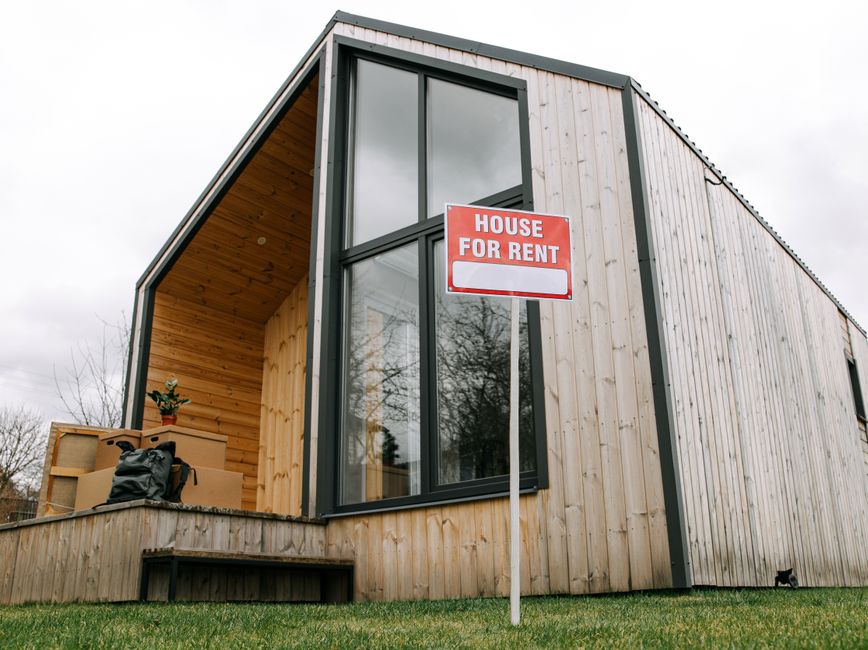
Denver’s build-to-rent market is booming, with nearly 2,800 new units completed across the city since 2025, but questions linger over whether these developments truly deliver affordability or just a different way to rent.
The wave of build-to-rent complexes—purpose-built homes designed specifically for renters—is transforming key Denver neighborhoods. As interest rates hover above 6% and home prices continue their climb (the Denver Metro Association of Realtors pegged June’s median sale price at $609,000), renting can look increasingly attractive, especially for those who don’t have deep pockets for a down payment.
Developers like Lennar and Greystar are betting big on demand. Their high-end projects—the 272-unit Elmwood Towns at 18th and Blake in RiNo, and The Quarry Collection adjacent to Cherry Creek—promise a “maintenance-free lifestyle” and perks from dog parks to coworking lounges. Aspen Grove’s new build-to-rent enclave near Littleton even offers in-unit Pelotons and monthly resident events. The pitch: all the space and privacy of a single-family home, minus the financial risk.
But the numbers tell a more complex story. Median rents in Denver reached $2,195 for a one-bedroom and $2,770 for a two-bedroom in June, according to Apartment List. Build-to-rent homes cost even more—the Quarry’s 2-bed townhomes are marketed at $3,200 per month, not far off the monthly payment on a $500,000 mortgage, after taxes and HOA dues. For that premium, tenants often get a fenced yard, garage and upgraded appliances, but they are writing checks to a landlord, not building equity.
For some, especially young professionals and newcomers leery of volatile prices or surprise repair bills, the ability to move without listing or selling holds real appeal. “The turnover is high. Many residents treat these homes as three-year landing pads while they decide where—and whether—to buy,” a leasing manager at Union West in Jefferson Park said this week. Yet unlike traditional apartments, these developments rarely offer rent concessions, and renewal increases can be sharp: up to 9% at several RiNo properties this year, lease documents reviewed by The Daily Denver show.
Denver remains relatively affordable compared to places like San Francisco or Seattle—where similar build-to-rent units can easily cross $5,000 per month. But the local surge in supply hasn’t tipped the needle on affordability. In June 2026, for the first time since the pandemic, the average rent-to-income ratio for Denver metropolitan renters topped 34%, according to Zillow. Buyers face their own barriers: just 17% of listings below $400,000 in the city limits last month, most of them condos with sky-high HOA fees.
As more purpose-built rental neighborhoods break ground in Elyria-Swansea and Stapleton, prospective tenants will have more options, but little relief on price is forecast through year-end. Financial planners suggest comparing the total five-year costs of renting versus buying, factoring in possible home appreciation and maintenance costs. When a three-bedroom build-to-rent home on Colorado Boulevard lists for $3,500, and an equivalent mortgage is just $200 per month higher—but needs $80,000 up front—flexibility comes at a premium.
Industry watchers expect Denver’s build-to-rent supply to cross 4,300 total units by late 2027. Until then, the market’s message is clear: tenants looking for flexibility and amenity-rich living will have plenty to choose from, but the promise of affordability remains as elusive as ever.
About this article
Published by The Daily Denver
Spread the word
Daily brief
Free, in your inbox before 7am. Weekdays.
The Daily Network — local news across Australia