Property
Denver’s Rental Vacancy Rate Hits 1.9% as Bidding Wars Heat Up for Apartments
Tight supply and steady demand are forcing tenants to outbid each other for apartments, just as would-be buyers abandon a market out of reach.
3 min read
Property
Tight supply and steady demand are forcing tenants to outbid each other for apartments, just as would-be buyers abandon a market out of reach.
3 min read
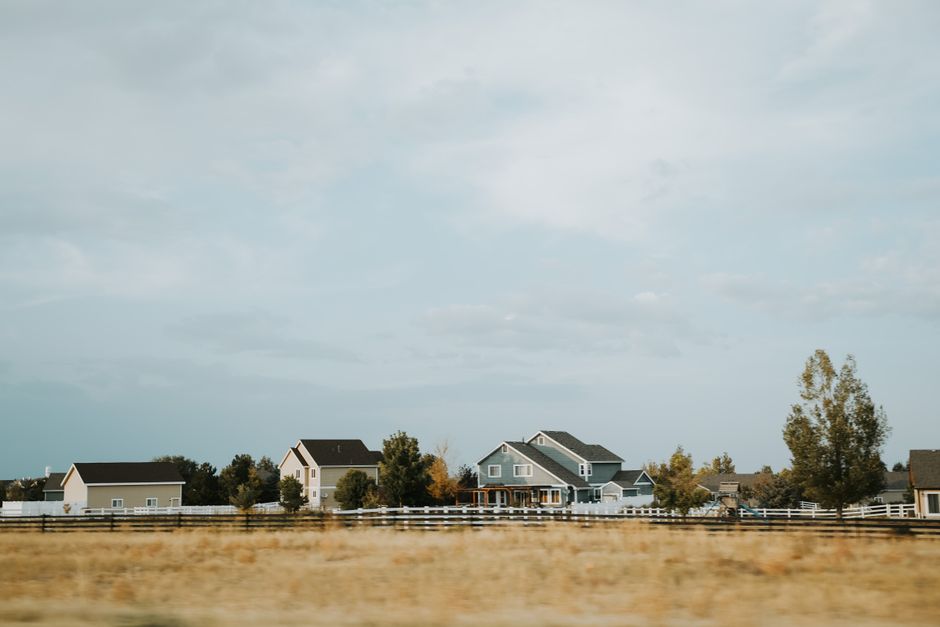
Walk into any leasing office along Speer Boulevard, and you’ll likely find a clipboard stacked with multiple rental applications for the same two-bedroom apartment. Denver’s rental vacancy rate slipped to just 1.9% in June, according to the Apartment Association of Metro Denver, marking the lowest level in over a decade and intensifying battles among renters searching for a place to live.
This squeeze on available units matters deeply for Denverites in 2026. Stubbornly high mortgage rates—hovering just above 7.2% for 30-year fixed loans, Mortgage Bankers Association data shows—have kept many first-time home buyers sidelined. At the same time, thousands of recent arrivals chasing tech and energy jobs aren’t yet ready to buy. Instead, they’re crowding into short-supply rentals from Highlands to Capitol Hill and driving lease prices up across the city.
At Platform at Union Station, leasing manager Amelia Fischer reported earlier this week that she turned away over a dozen applicants for a single studio listing—priced at $1,825 a month—while rental agents at the newly completed Lydian project on Welton Street catalog multiple cases of renters offering above-list prices or extra security deposits to secure a lease. South Broadway brokers describe similar stories, with would-be tenants scrambling to sign leases before open house hours have ended.
According to the latest market report from Zillow, the city’s median rent hit $2,133 in June—up 7% from a year earlier. That’s nearly $400 more than the national median. Meanwhile, the Denver Metro Apartment Vacancy and Rent Report, released last week, showed that the area’s inventory growth has stalled: only 2,100 new apartment units have been delivered citywide since January, a steep drop compared to previous years when supply regularly outpaced absorption. Neighborhoods like RiNo and LoDo have seen waiting lists for larger units, with listings on East Colfax rarely staying on the market for more than 48 hours.
The city’s affordable housing pipeline is lagging behind demand. Denver Housing Authority’s newest complex on Brighton Boulevard drew 600 applications for just 60 affordable units last month. Private landlords, facing higher insurance and property tax bills, have little incentive to lower rents or offer more flexible lease terms.
With little relief expected before fall, industry analysts predict renters should be ready with fast paperwork and flexible move-in dates this summer. Those trying to buy may find some price softening in the West Colfax and Green Valley Ranch markets—where June’s average sale price fell 3%—but monthly mortgage payments remain daunting for most first-timers. Renters hoping to save on “lease by owner” and smaller walk-up properties should scan listings early and be prepared for same-day showings, property managers advised. And with heat waves likely to stress older buildings’ air conditioning, experts suggest checking utility coverage and maintenance policies before signing a lease.
For now, in a city where both housing demand and summer temperatures continue to climb, Denver’s renters are bracing for one of the toughest seasons in memory. Those lucky enough to sign a lease in July are unlikely to see falling rents—or shorter competition—anytime soon.

Property
Property
Property
Property
About this article
Published by The Daily Denver
Spread the word
Daily brief
Free, in your inbox before 7am. Weekdays.
The Daily Network — local news across Australia