Property
How Much Rent Is Too Much? The 30% Rule in Practice
As Denver rents hit record highs, local renters face tough choices about affordability and the old rule of thumb.
3 min read
Property
As Denver rents hit record highs, local renters face tough choices about affordability and the old rule of thumb.
3 min read
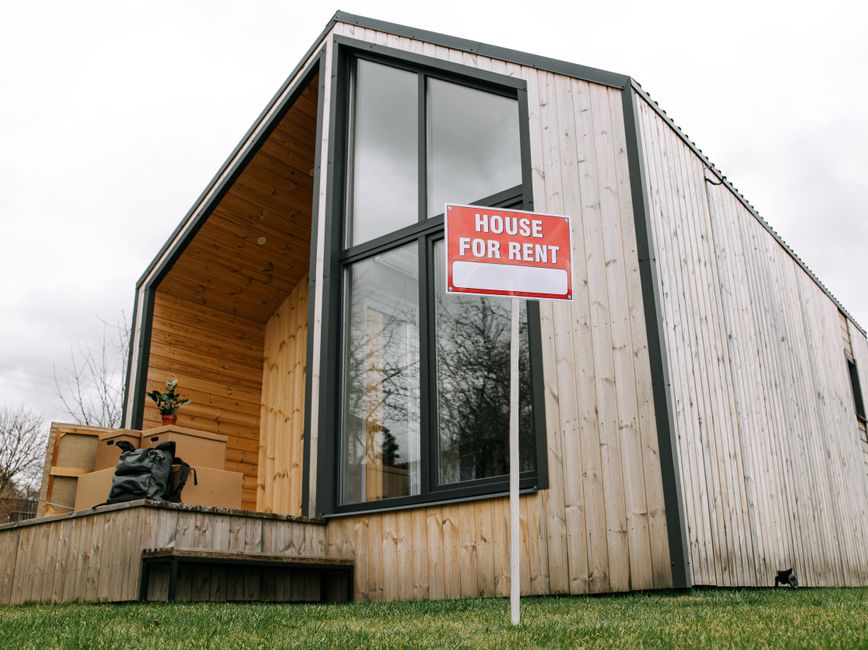
Denver renters are now paying more of their income to landlords than ever before, with average rents in neighborhoods like Capitol Hill and RiNo pushing many tenants well beyond the long-cited affordability limit: 30 percent of gross monthly income.
This summer, rents in Denver continue to break records, forcing residents to ask whether the 30% threshold—championed for decades by housing experts—still reflects local reality. The conversation has sharpened as a wave of lease renewals collides with stagnant wage growth and a fast-changing job market. Search data from the Denver Apartment Association shows a surge in inquiries about rent relief programs since April, reflecting growing anxiety about basic housing costs. Rental prices, especially in popular hubs like LoDo and Cherry Creek, are outpacing wage gains for many workers at area hospitals and the nearby Tech Center.
At the root: supply shortages, demographic shifts, and a heated job market. With mortgage rates still hovering above 6% as of July 2026 and home prices averaging $643,000 citywide (according to Denver Metro Association of Realtors), many first-time buyers are stuck on the sidelines. That leaves them in competition for rentals in fast-developing blocks along Colfax Avenue and in new towers sprouting near Union Station. Nonprofit groups like Brothers Redevelopment and city agencies including Denver’s Office of Housing Stability have scrambled to meet demand for rent assistance, spending $27 million since January alone, city budget figures show.
By the numbers: Median two-bedroom rent in Denver reached $2,232 in June, according to Zillow’s latest figures—a 7% jump from last year. For a household earning Denver’s 2024 median income ($89,155), the 30% rule suggests monthly rent should top out at $2,229. Yet nearly half the city’s renters, according to the Colorado Housing Affordability Survey, pay more than that each month. In South Broadway’s Baker district, average one-bedrooms fetch $1,920, outpacing what a single worker earning the city’s $19.35 minimum wage could sustainably afford (about $970/month before taxes under the 30% rule).
Meanwhile, landlord incentives are drying up. John Parvensky, president of the Colorado Coalition for the Homeless, pointed to a sharp uptick in rent-burdened households coming to city-backed housing clinics on Federal Boulevard and at urban renewal developments near Sun Valley. Affordability calculations are only getting more acute as the number of metro-area households spending more than a third of their income on rent topped 108,000 in May, according to state housing data.
What’s next for Denver renters? Experts suggest households hoping to stick to the 30% target—or stay in Denver at all—should seek out housing navigation assistance via Denver Housing Authority’s online portal and monitor low-income lotteries for new affordable units, like those recently launched at the Elaine apartments on East Colfax. Financial counselors recommend making a detailed budget before signing any lease, factoring in rising utility rates, parking fees, and the risk of rent hikes at renewal. For now, the 30% rule may be more an aspiration than a reality for thousands in the city, but officials hope that new affordable developments and targeted relief programs launching this fall could provide temporary relief while longer-term reforms are debated at City Hall.

Property
Property
Property
Property
About this article
Published by The Daily Denver
Spread the word
Daily brief
Free, in your inbox before 7am. Weekdays.
The Daily Network — local news across Australia