Property
Denver's Market Shift: How 2026 Compares to the 2021 Boom Cycle
After years of breakneck growth, Denver’s property market is charting a new course—here's how it stacks up to the 2021 frenzy.
3 min read
Property
After years of breakneck growth, Denver’s property market is charting a new course—here's how it stacks up to the 2021 frenzy.
3 min read
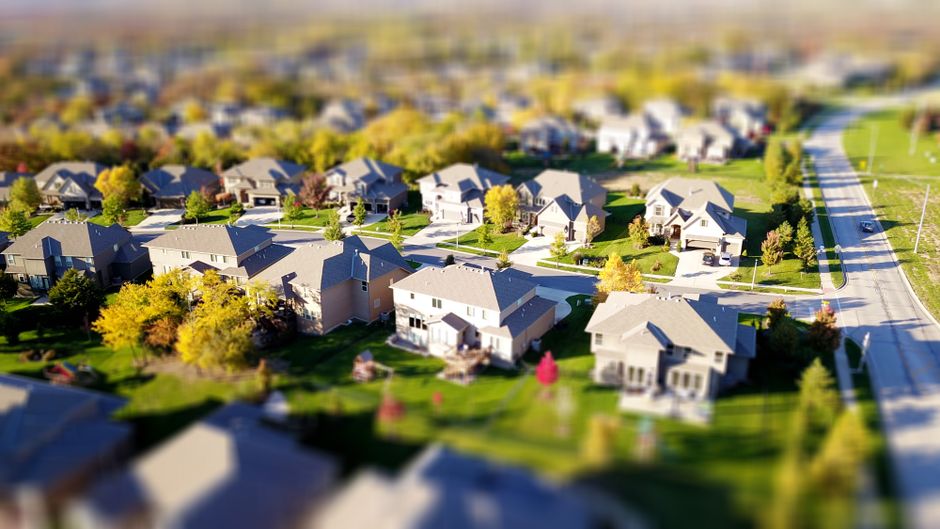
Denver’s housing market is seeing a sharp slowdown this summer, with median home prices up just 2% since January—nowhere near the dizzying double-digit gains of the 2021 boom. Inventory across the metro area hit 7,400 active listings in June, the highest midyear figure since the pandemic buying wave peaked five years ago.
The shift is impossible to ignore. In 2021, Denver buyers routinely paid $50,000 or more above asking price, with multiple offers surging out of neighborhoods like Park Hill and Sloan’s Lake hours after homes hit the MLS. Today, competition has cooled. Brokers at PorchLight Real Estate Group say most properties on South Pearl Street are spending about three weeks on market, up from a matter of days during the height of the boom. The citywide slowdown comes as interest rates linger near 6.9%—down slightly from last year’s peak, but nearly triple the lows buyers saw three years ago. For many, higher borrowing costs are outweighing the plateau in prices.
Market observers point to several factors behind 2026’s more restrained environment. While Denver’s economy remains one of the strongest in the Mountain West, uncertainty abroad—from severe European heatwaves to ongoing conflict in Ukraine—has spooked global markets. “National and international volatility always seeps into large metros like Denver,” said a local industry analyst. “We’re just not seeing the buyer urgency of 2021.”
Neighborhoods are now marching to their own rhythms. In Highland, the median detached home price hit $987,000 in June, according to LIV Sotheby’s International Realty—up just 3.5% from last summer. By contrast, Washington Virginia Vale, popular with first-time buyers, logged a median of $615,000, up only 1%. Higher-end homes further east, around Cherry Hills Village, are sitting unsold for as long as two months, with some sellers trimming prices by $100,000 or more in June alone. Sellers can no longer count on packed open houses to drive quick bidding wars. New inventory along East Colfax Avenue, including units at Park Hill Commons, is giving buyers more options—and leverage.
Hard numbers from the Denver Metro Association of Realtors reinforce the shift. In June 2021, median prices leapt 19% year-over-year, hitting $600,000 for detached homes. This year, the median nudged up to $643,000—a modest 2% annual gain, and well below inflation. Active listings citywide have almost doubled from their 2021 lows, driven by increased new builds in RiNo and Green Valley Ranch. Meanwhile, rental prices have steadied; a two-bedroom in Capitol Hill now commands around $2,180 per month, up just 1% from last year.
Buyers shouldn’t expect a major price drop, but time and negotiation are more on their side than at any point since 2021. Sellers are getting creative—covering closing costs or offering rate buydowns—to avoid price cuts. For homeowners who bought during the frenzy, equity gains have paused, but a full reversal hasn’t materialized. Analysts at Zillow project metro Denver prices will remain flat through the end of 2026.
Anyone considering a move should take heart: Denver’s market is no longer a pressure cooker, but a long, slow simmer. In neighborhoods from Stapleton to Belcaro, patience is replacing panic. Those on the hunt—or the fence—can schedule a showing without fear the home will vanish before lunch.
About this article
Published by The Daily Denver
Spread the word
Daily brief
Free, in your inbox before 7am. Weekdays.
The Daily Network — local news across Australia