Wellness
Parched at 5,280 Feet: How Denver's Climate Is Quietly Dehydrating You
At altitude, in July heat, the Mile High City demands more water than most residents are actually drinking — here's what the science says.
4 min read
Updated 4 h ago
Wellness
At altitude, in July heat, the Mile High City demands more water than most residents are actually drinking — here's what the science says.
4 min read
Updated 4 h ago
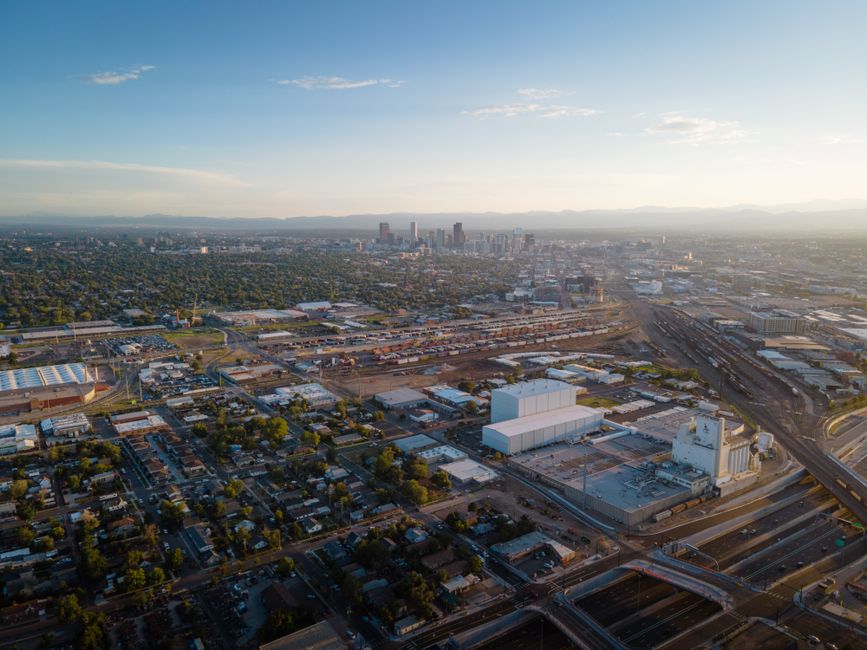
Denver sits at 5,280 feet above sea level, and that single fact changes everything about how your body loses water. Researchers at the University of Colorado Anschutz Medical Campus in Aurora have documented for years that residents at altitude urinate more frequently and breathe out more moisture than people at sea level — a combination that quietly accelerates fluid loss before thirst even registers. Right now, in the middle of a dry Front Range summer where July humidity averages below 30 percent and afternoon temperatures are pushing into the low 90s, that invisible drain is at its annual peak.
The timing matters. Denver's Fourth of July weekend draws hundreds of thousands of people outdoors — onto the Washington Park running paths, up into Cheesman Park for festivals, along the Cherry Creek Trail corridor. Many of them are operating on conventional wisdom that eight 8-ounce glasses of water per day is sufficient. At this altitude, in this heat, that benchmark falls short for most physically active adults.
The National Academies of Sciences set baseline daily water intake recommendations at 3.7 liters for men and 2.7 liters for women — and those figures assume sea-level conditions with moderate activity. Add the altitude factor and a 60-minute outdoor workout, and sports medicine practitioners at Denver Health on Bannock Street typically advise adding another 16 to 24 ounces on top of baseline consumption for every hour of exercise. On a hot July day that number climbs further still.
Colorado's low humidity is the sneaky variable. Sweat evaporates so fast here that many people never feel visibly drenched, which creates a false sense of adequate hydration. By the time a runner finishing a loop around Sloan's Lake notices a headache or muscle cramp, they may already be down 1.5 to 2 percent of their body weight in fluid — the threshold at which cognitive performance and physical output measurably decline, according to research published in the Journal of the American College of Nutrition in 2023.
Plain water handles most of the load, but electrolytes matter on longer efforts. Sodium, potassium, and magnesium all leave the body through sweat, and replacing fluid without them can, in extreme cases, dilute sodium levels dangerously. For workouts under 60 minutes, water is fine. For anything longer — a two-hour hike in Golden Gate Canyon State Park 30 miles west of Denver, say, or an afternoon of back-to-back beach volleyball at City Park — electrolyte replacement becomes genuinely useful rather than a marketing pitch.
Local nutrition retailers have adjusted their shelves accordingly. Vitamin Cottage Natural Grocers, with multiple Front Range locations including its store on South Colorado Boulevard in the Glendale area, reports that electrolyte products and coconut water have been among its fastest-moving summer categories since at least 2024. Liquid IV packets retail there for around $1.50 to $2.00 per serving. Budget-conscious alternatives — a pinch of sea salt and a squeeze of lemon in a water bottle — cost pennies and accomplish the same core function.
Denver's tap water, drawn primarily from mountain snowmelt through Denver Water's system, is consistently rated among the cleaner municipal supplies in the country and needs no filter to serve as a solid hydration base. The city's 2025 water quality report showed lead levels well below the EPA action threshold of 15 parts per billion. There is no shortage of what to drink — the question is volume and timing.
The practical prescription for a Denver summer is straightforward: drink 16 ounces first thing in the morning before coffee, carry a 32-ounce bottle on any outing that lasts more than 90 minutes, and check urine color — pale yellow is the target, dark amber is a warning. If you are heading into the mountains this weekend, add 8 ounces for every 1,000 feet of additional elevation above the city. And consult a physician or registered dietitian at a facility like Rose Medical Center on East Ninth Avenue if you have kidney conditions, cardiovascular concerns, or are managing medications that affect fluid balance — general rules have exceptions, and the Mile High City does not forgive complacency in July.
About this article
Published by The Daily Denver
Spread the word
Daily brief
Free, in your inbox before 7am. Weekdays.
The Daily Network — local news across Australia