Wellness
The Sleep Environment Checklist for Better Rest
Denver's altitude, dry air, and 300-plus days of sunshine are assets to outdoor life — and quiet saboteurs of a good night's sleep.
4 min read
Wellness
Denver's altitude, dry air, and 300-plus days of sunshine are assets to outdoor life — and quiet saboteurs of a good night's sleep.
4 min read
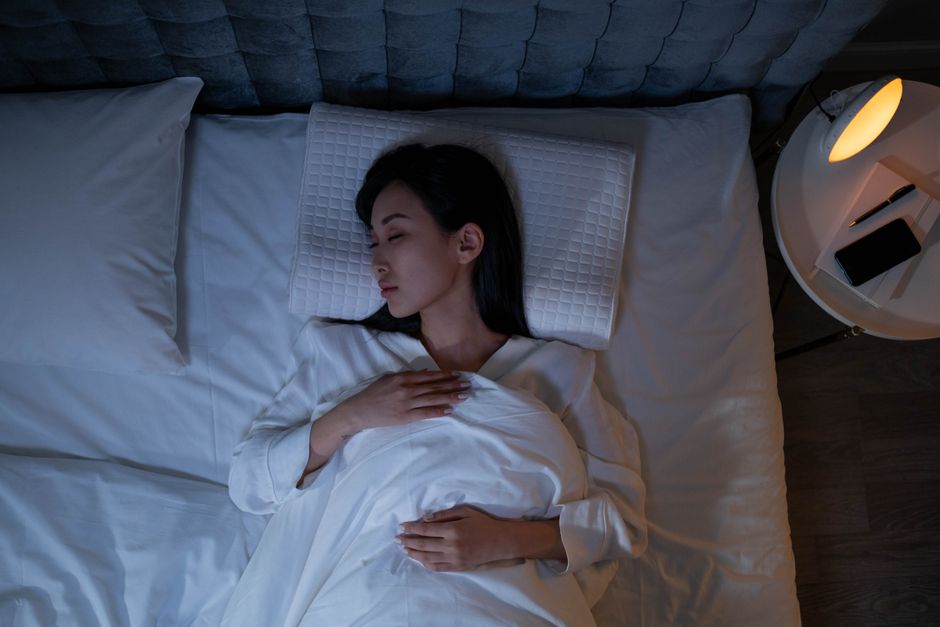
Your bedroom is probably working against you. That's the blunt takeaway from sleep researchers who increasingly argue that the physical environment — not stress, not screen time, not even caffeine — is the first domino. Fix the room, and everything else gets easier.
This matters right now for a specific reason: July in Denver. Daytime highs have been pushing 95°F along the Front Range, the city sits at 5,280 feet above sea level, and relative humidity regularly dips below 20 percent. Each of those three factors independently degrades sleep quality. Together, they create a perfect storm for the roughly one in three American adults the Centers for Disease Control and Prevention identifies as chronically under-slept — a figure that translates to an estimated 240,000 Denver-area residents grinding through their days on insufficient rest.
Denver's wellness culture tends to front-load the conversation around movement — the Saturday-morning crowds at Washington Park, the packed trails up in Evergreen, the cycling commuters threading through the RiNo Art District. Sleep is the unglamorous backstage work that makes all of it possible, and the city's unique geography means residents need a slightly different checklist than someone living at sea level in a humid climate.
Sleep scientists generally target a bedroom temperature between 65°F and 68°F. At Denver's elevation, the body already works harder to oxygenate during sleep, so a room that stays even two or three degrees warmer than ideal compounds the problem. A programmable thermostat set to drop to 66°F by 10 p.m. is the single highest-return investment most people can make. The Nest Learning Thermostat retails around $130 at the Home Depot on Colorado Boulevard — not cheap, but cheaper than a month of prescription sleep aids.
Humidity is the issue fewer people think about. The National Sleep Foundation recommends keeping bedroom humidity between 40 and 60 percent. Denver's July average hovers around 30 percent, which dries out nasal passages, increases snoring risk, and causes micro-awakenings most sleepers never consciously register. A mid-range ultrasonic humidifier — the Levoit Classic 300S runs about $60 on most retailers — placed on the nightstand side of the room is enough to bring a standard bedroom into range. Local wellness retailer Breath of Life, which operates out of the Highlands neighborhood on 32nd Avenue, carries a curated selection and staff who actually ask about altitude before making recommendations.
Light is the third variable on the checklist. Denver's summer sun doesn't fully set until after 8:30 p.m. in early July, and the low-latitude light is intense. Blackout curtains are non-negotiable. The Sleep Number store at Park Meadows Mall in Lone Tree stocks them, but for budget-conscious shoppers, the IKEA MAJGULL panels — available at the Colfax Avenue location — cost $29.99 a pair and test well in consumer reviews for light blockage.
Noise floors matter more than most checklists acknowledge. Denver's urban core — particularly along Broadway, on Capitol Hill, and in the Five Points neighborhood — sees late-night traffic and light-rail activity that keeps ambient sound elevated well past midnight. A white noise machine set to 65 decibels, roughly the volume of a normal conversation, is enough to mask most intrusion without creating its own disruption. The Colorado Sleep Institute, which operates a clinic at 4500 East Ninth Avenue, has cited white noise as one of the most consistently underused behavioral tools in its patient consultations.
Scent is last on the list for good reason: it's the least evidence-backed variable, but lavender-based room sprays have shown modest benefit in small trials and carry essentially no downside. Consider it the garnish, not the meal.
The checklist order matters. Temperature and humidity first — because they're physiological. Light second — because circadian rhythm is the foundation of sleep architecture. Noise third, scent optional. Work through them sequentially rather than buying everything at once and wondering why nothing changed. Anyone with persistent sleep difficulties despite environmental adjustments should contact a local provider; the University of Colorado Hospital's Sleep Medicine Clinic at the Anschutz Medical Campus in Aurora offers both in-lab and at-home sleep studies and is accepting new patients as of this summer.
About this article
Published by The Daily Denver
Spread the word
Daily brief
Free, in your inbox before 7am. Weekdays.
The Daily Network — local news across Australia