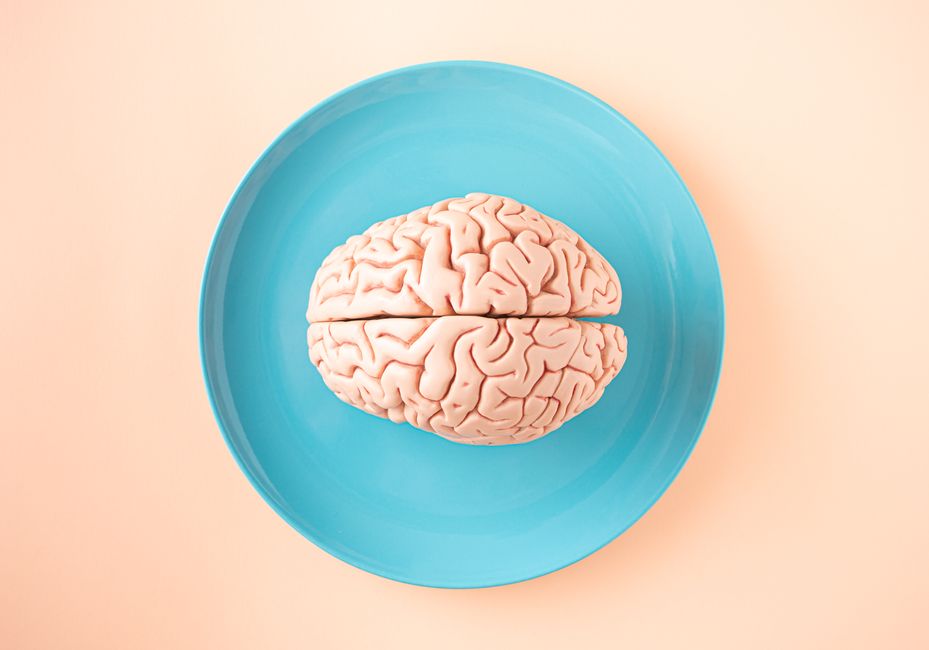
Eight weeks. That's how long it takes for a structured mindfulness program to produce measurable changes in gray matter density in the hippocampus, according to a landmark study out of Massachusetts General Hospital that tracked participants through an eight-week Mindfulness-Based Stress Reduction course. The hippocampus governs learning and emotional regulation. When it thickens, even slightly, the downstream effects on anxiety, memory, and stress response are documentable — not anecdotal.
This matters right now because the conversation around hormones, mental load, and cognitive health has gotten louder in 2026. People are asking harder questions about what actually works. Meditation is no longer just a retreat center offering; it's being examined under fMRI machines, and the data is holding up.
What's Happening in the Brain
Three changes show up consistently in imaging studies of regular meditators. First, the amygdala — the brain's threat-detection center — shrinks. Literally. A 2011 Harvard study found amygdala gray matter decreased in participants after an eight-week program, correlating with self-reported drops in stress. Second, the prefrontal cortex, which handles decision-making and impulse control, shows increased activity and, over time, increased thickness. Third, the default mode network — the system that fires when your mind wanders, replays arguments, and catastrophizes — quiets down. Less rumination, measurably, not just self-reported.
Cortisol, the primary stress hormone, also drops. A 2014 meta-analysis published in JAMA Internal Medicine reviewed 47 randomized controlled trials covering 3,515 participants and found mindfulness meditation programs produced moderate evidence of reduced anxiety, depression, and pain. That's not a wellness blogger's claim. That's peer review.
The dose matters, too. Ten minutes a day produces some benefit, but studies consistently show 20 to 45 minutes of daily practice over eight weeks is the threshold for structural brain changes. Most app-based programs — which retail between $12.99 and $99 annually — don't tell users that part.
Where Denver Is Putting This Into Practice
The Mindfulness-Based Stress Reduction program at UCHealth's Integrative Medicine Center on East 17th Avenue runs eight-week cohorts at $395 per participant, placing it in line with clinical programs in Chicago and San Francisco. The center follows the Jon Kabat-Zinn protocol developed at UMass Medical School in 1979 — the same framework used in most of the serious neuroscience research.
On the community side, the Shambhala Meditation Center in Capitol Hill has offered drop-in sessions for decades and has recently added secular, science-framed intro workshops on Tuesday evenings, priced at $15 suggested donation. It's one of the few places in the city where someone can walk in off Downing Street with no background in meditation and get a grounded, low-pressure entry point.
Denver Public Schools piloted a mindfulness curriculum in 12 schools in 2024 through a partnership with the nonprofit Minds Matter Colorado, citing teacher burnout and student anxiety data from the 2022-23 academic year. Early results, shared internally with the district in spring 2025, showed a 19 percent reduction in disciplinary referrals at two participating RiNo-area schools.
For anyone wanting to start without spending money, the research suggests the entry bar is low: sit still, focus on breathing, redirect attention when it wanders, repeat. That loop — attention, distraction, redirection — is exactly what strengthens the prefrontal-amygdala connection over time. The science doesn't require incense or an app subscription.
If you're managing a specific condition — chronic pain, clinical anxiety, PTSD — the UCHealth program and similar MBSR cohorts at Centura Health's Integrative Care clinics in Englewood coordinate with medical teams. Self-directed practice is a starting point, not a substitute. Consult a Denver-based clinician before adjusting any treatment plan. The brain is changing either way. The question is whether you're deliberate about it.