Wellness
The Sleep Environment Checklist for Better Rest
Denver's altitude, dry air, and relentless sunshine create a uniquely hostile bedroom — here's how to fix it before you lose another night.
4 min read
Wellness
Denver's altitude, dry air, and relentless sunshine create a uniquely hostile bedroom — here's how to fix it before you lose another night.
4 min read
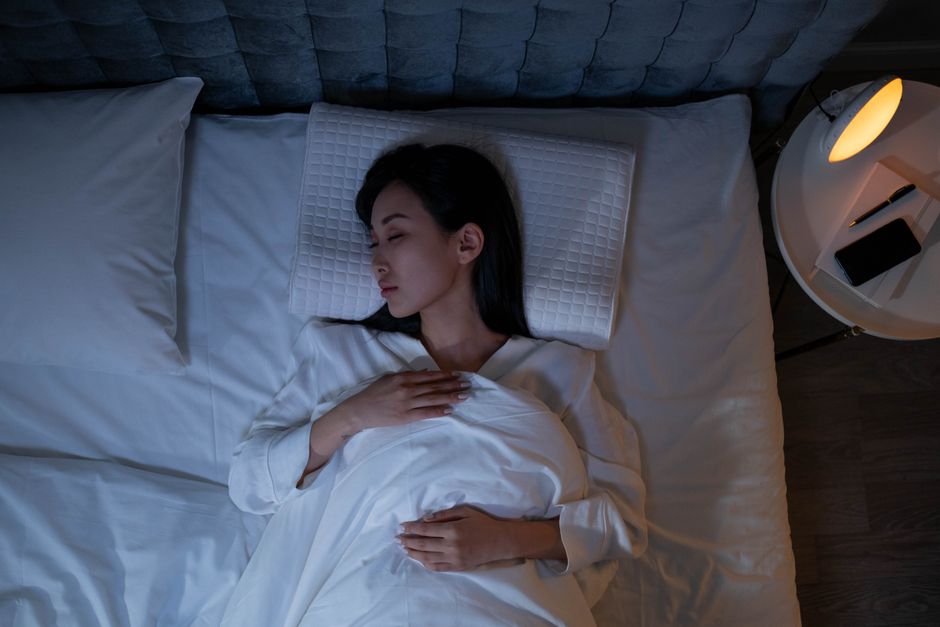
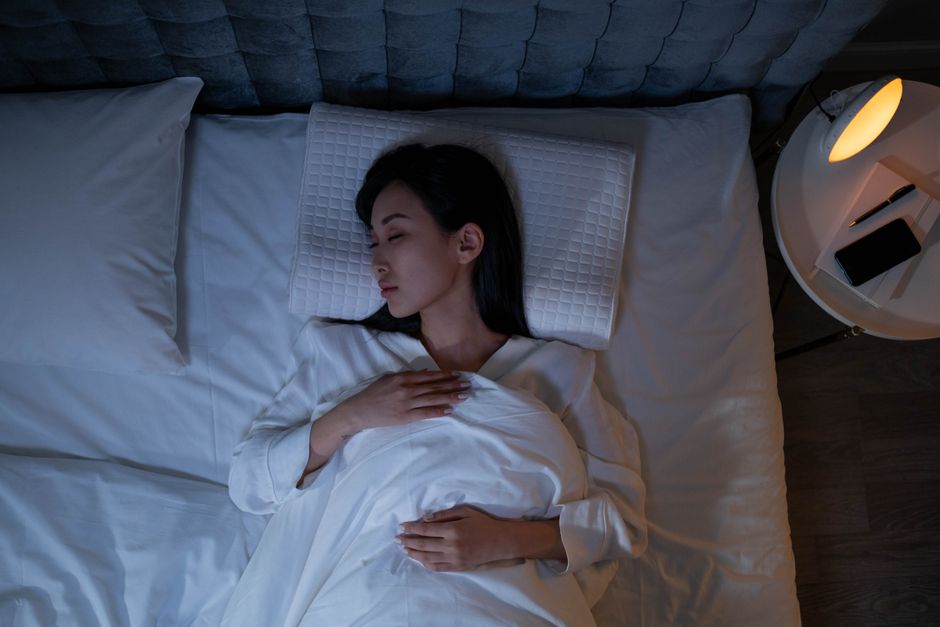
Denver sits at 5,280 feet above sea level, and that single fact is quietly wrecking the sleep of thousands of residents who never connect the dots. Lower atmospheric oxygen pressure, humidity levels that routinely drop below 20 percent in July, and summer daylight that stretches past 8:30 p.m. combine to make the Mile High City one of the harder places in the continental United States to clock a solid eight hours. Sleep specialists at the University of Colorado Anschutz Medical Campus in Aurora have been tracking altitude-related sleep disruption for years, and the consensus is consistent: your bedroom environment matters more here than almost anywhere else at comparable latitude.
The timing matters. A wave of interest in hormone health — including melatonin's role in regulating the circadian rhythm — has pushed sleep science into mainstream wellness conversation this summer. Simultaneously, Denver's white-collar workforce is grappling with a familiar tension between financial security and personal fulfillment, a stress cocktail that reliably surfaces at night. The result is a city of people who are exhausted and increasingly aware of it, but uncertain about where to start fixing the problem.
The answer, according to sleep coaches and integrative medicine practitioners operating along the South Broadway wellness corridor and in the LoHi neighborhood, almost always begins with the physical room itself — not supplements, not apps, not a new mattress brand. The room comes first.
Start with light. In RiNo and Capitol Hill, older apartment buildings face east or southeast, meaning residents absorb full July sunrise — which arrives at approximately 5:38 a.m. on the Fourth of July weekend — directly through inadequate blinds. Blackout curtains rated at 99 percent light-blocking, available at the Denver Mattress Company showroom on South Colorado Boulevard or through local design shops in Cherry Creek North, run between $40 and $120 per panel. That is a fraction of what poor sleep costs in productivity and health outcomes over a year.
Temperature is the second variable. The American Academy of Sleep Medicine recommends a bedroom temperature between 65 and 68 degrees Fahrenheit for optimal sleep onset. Denver's summer nights cool faster than coastal cities, but interior temperatures in poorly ventilated condos along the 16th Street corridor can hold heat until well past midnight. A programmable thermostat set to drop to 66 degrees by 9 p.m. — not at bedtime — gives the room time to cool before you actually lie down.
Humidity deserves its own line on the checklist. At Denver's average July relative humidity of roughly 30 percent, nasal passages dry out, micro-arousals increase, and sleep architecture fragments. A bedroom humidifier maintaining 45 to 50 percent relative humidity can reduce those disruptions noticeably. The Denver Public Library's Schlessman Family Branch on East 23rd Avenue hosted a free sleep health workshop in May 2026 that covered exactly this point, drawing more than 80 attendees — a number that says something about how hungry residents are for practical guidance.
Noise is the variable most Denver residents underestimate. Light rail lines through Five Points and the Broadway corridor generate intermittent sound spikes between 10 p.m. and 1 a.m. White noise machines set between 60 and 65 decibels mask those intrusions without creating their own sleep disruption — a distinction that matters, because anything above 70 decibels becomes a stressor rather than a solution.
Screen light is last on the checklist but not least. Blue-spectrum light from phones and televisions suppresses melatonin production for up to 90 minutes after exposure. A hard cutoff at 60 minutes before target sleep time, enforced with a basic outlet timer if necessary, is the single cheapest intervention on this entire list.
Denver's Integrative Medicine Program at National Jewish Health on East 17th Avenue offers periodic sleep health consultations and can pair residents with board-certified specialists for issues that go beyond environment — chronic insomnia, suspected apnea, or significant daytime fatigue that persists after the checklist items are addressed. The program's intake coordinators can be reached directly through the National Jewish Health main line. For most residents, though, the room itself is where the work starts: dark, cool, humid enough, quiet, and screen-free. Fix those five things before July is out.
About this article
Published by The Daily Denver
Spread the word
Daily brief
Free, in your inbox before 7am. Weekdays.
The Daily Network — local news across Australia