Denver's arts infrastructure is undergoing its most significant structural shift in a decade, with cultural institutions increasingly handing creative control to neighborhood residents and artists rather than maintaining traditional top-down programming models. The shift gained momentum this spring when the Denver Arts & Venues department reallocated $2.8 million in public funding toward community-led initiatives, signaling a departure from the city's earlier model of curator-driven exhibitions and events.
The timing reflects a broader reckoning across major American cities about who decides what art gets made and displayed. Denver's move comes as economic pressures mount on traditional arts organizations nationally, forcing institutions to reconsider their operational structures. The city's decision to funnel resources directly to neighborhood arts collectives rather than through centralized museum budgets represents a calculated bet that community-driven programming will draw larger, more engaged audiences than conventional gallery seasons.
Artists Take the Wheel in RiNo and Beyond
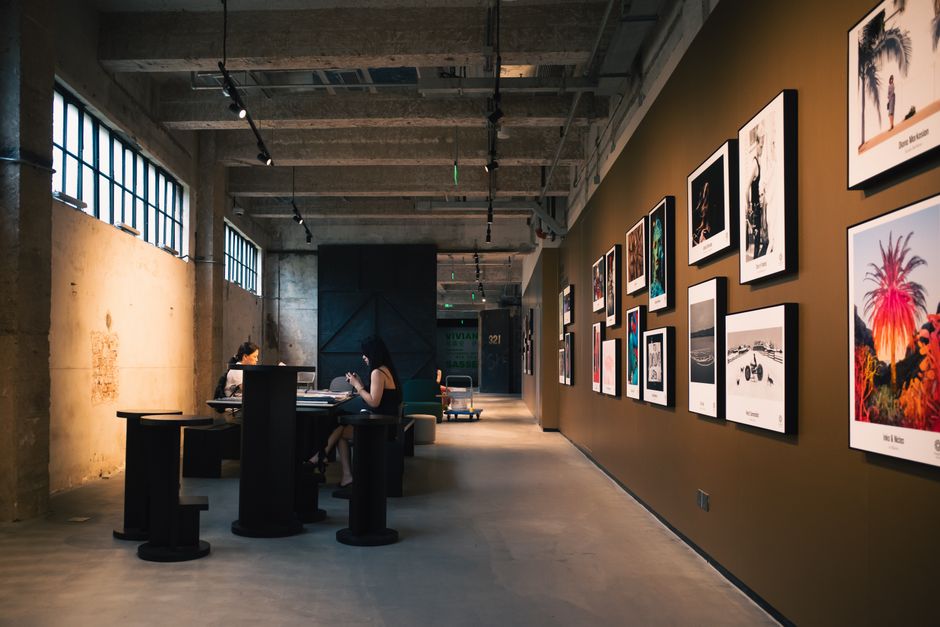
The change is most visible in the River North Art District, where artist collectives have assumed programming duties at three formerly gallery-managed spaces on Santa Fe Drive. The Alchemy Artists Collective, a 40-member group that formed in 2023, now curates monthly exhibitions at the former Redline Contemporary location. Their July schedule includes work by emerging sculptors and photographers drawn from neighborhood studios, with admission free every Thursday from 6 to 9 p.m. The collective rejected a grant structure that would have paid curators to make selections, instead using a rotating committee system where any member can propose an artist for the following month's show.
South Broadway has seen similar activity. The Counterspace collective, operating out of a 3,500-square-foot warehouse at 111 South Broadway, launched a residency program in May that provides free studio space to three artists for six-month terms. The first cohort of residents—a muralist, a textile artist, and a sound designer—are obligated only to open their studios for public view twice monthly, an obligation the collective deliberately kept minimal to avoid recreating the productivity demands they say traditional arts grants impose.
These experiments reflect frustration with existing models. A 2025 survey by the Colorado Creative Industries Forum found that 67 percent of working artists in the Denver metro area felt their interests were underrepresented in major institutions' programming decisions. That statistic prompted the city council to earmark funds specifically for artist-run spaces, allocating $400,000 annually through 2028 to collectives demonstrating community accountability structures.
From Audiences to Participants
The philosophical shift extends beyond who curates to how people engage with art. The Highlands neighborhood's newly renovated Source Market Hall—which reopened in June after a two-year renovation—operates on a sliding-scale admission model, charging between zero and fifteen dollars depending on visitor income. Evening jazz performances and literary readings, scheduled for Tuesdays and Thursdays through August, have drawn average crowds of 120 people per event, roughly double the attendance at comparable programming in the city two years ago.
Denver Parks and Recreation also introduced a revised public art initiative in April, expanding the community input period for mural projects from four weeks to twelve weeks and requiring neighborhood associations to approve designs before installation. The Cherry Creek North Business Improvement District rejected one proposed mural in May after residents expressed concerns about artist selection processes, a dispute that ultimately led to a redesign process involving ten community meetings.
For residents wanting to get involved, the entry points are straightforward. The Alchemy Collective accepts new members with no prior experience or portfolio requirements; monthly meetings occur the second Thursday of each month at 7 p.m. at their Santa Fe location. The Source Market Hall offers free curatorial workshops on the first Saturday of each month, teaching interested community members how to develop exhibition proposals. Counterspace's studio open houses happen on the second and fourth Saturdays, with visitors able to see work in progress and chat directly with residents.
The shift will face tests in coming months. City funding cycles reset in September, and several council members have signaled they want measurable outcomes—attendance numbers, diversity metrics, community feedback scores—before approving 2027 allocations. How collectives document their impact without reverting to the institutional metrics they're trying to escape remains an open question. Still, for now, Denver's cultural ground is shifting beneath the feet of institutions accustomed to controlling the conversation about what art matters and why.