Denver's arts calendar swings into high gear this July with outdoor performances, gallery crawls, and festivals that draw visitors from across the country. The Colorado Shakespeare Festival kicks off its summer run on the University of Colorado campus in Boulder starting July 8, while closer to downtown, the Denver Art Museum announces expanded evening hours through August to accommodate the surge in foot traffic during the summer months.
The timing matters. While geopolitical tensions dominate headlines globally, Denver's cultural institutions are betting that travelers will prioritize experiences and cultural engagement. Summer tourism to Colorado peaks in July and August, with the Denver Convention and Visitors Bureau reporting that arts and cultural attractions consistently rank among the top three reasons visitors cite for choosing the region. Last year, the DAM alone drew 743,000 visitors annually, with roughly 40 percent arriving during the summer months.
Downtown and RiNo Gallery Scene
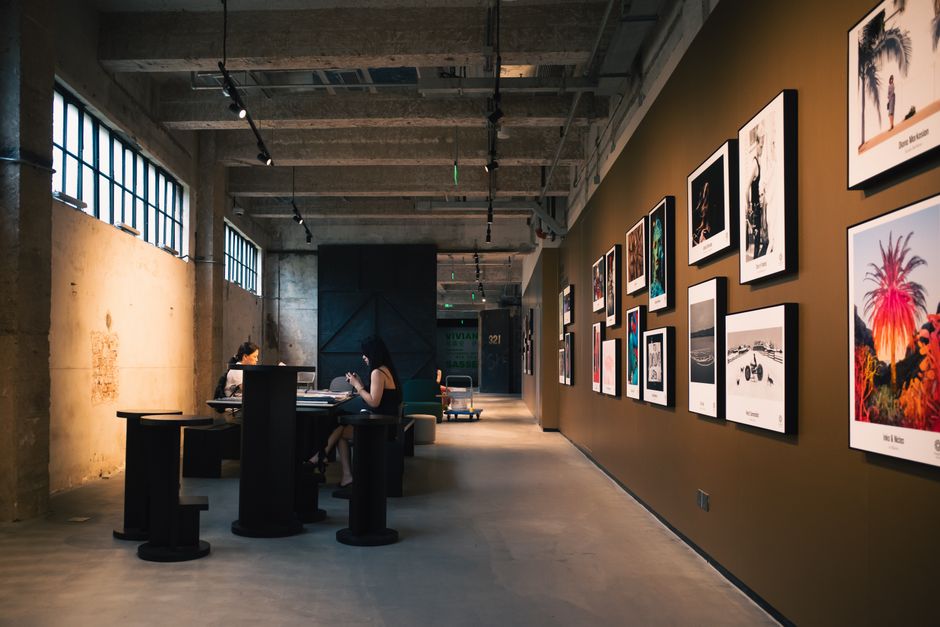
Start with a walk through the River North Art District, where galleries along Santa Fe Drive and the surrounding blocks operate extended hours for evening art walks. The First Friday artwalk on July 4th—a long holiday weekend—draws crowds to more than 50 galleries and studios. This year, several galleries are launching major summer exhibitions. The Glashaus Gallery space on South Pearl Street hosts emerging Colorado artists, while larger institutions like the Museum of Contemporary Art Denver on Civic Center Park offer air-conditioned refuge during afternoon heat waves. Admission to MCA Denver runs $15 for adults, with free hours on Saturday mornings.
The South Platte River provides the backdrop for outdoor performances. The Colorado Ballet and Opera Colorado both present productions at the Denver Performing Arts Complex on Curtis Street through late July. Single tickets start at $35, though package deals for multiple performances offer modest discounts. The DPAC itself—a sprawling complex with multiple theaters—hosts everything from Broadway touring productions to chamber music. Check the box office for last-minute discounts on weekday matinees.
Open-Air Festivals and Neighborhood Events
The Cherry Creek Arts Festival, held each July on July 10-13 this year, draws roughly 280,000 visitors to the Cherry Creek shopping district downtown. The four-day event showcases 250 artists and makers, with live music stages and food vendors scattered across several blocks of Speer Boulevard and surrounding streets. Entry is free, though parking fills up by mid-morning; public transit via RTD light rail gets you to downtown more reliably.
For a quieter alternative, the Washington Park Summer Concert Series continues through August on Wednesday evenings at Wash Park's performance pavilion. Bring a blanket or chair—lawn seating is unreserved and free, though $10 reserved seats are available through the Parks and Recreation Department. Each week features different genres: indie rock one week, classical the next. Sundown, typically 8:45 p.m. in early July, marks the start times.
Check the Denver Parks and Recreation website for neighborhood festivals happening in Cheesman Park, City Park, and Capitol Hill. The Highlands Street Fair, if it runs this July as it has in previous years, brings local bands and vendors to the Highlands neighborhood just northwest of downtown.
Book accommodations sooner rather than later if you're arriving for the Cherry Creek festival or First Friday. Mid-range hotels in downtown Denver average $180 to $220 per night during peak July season, up roughly 15 percent from June rates. Neighborhoods like LoHi (Lower Highlands) and South Pearl Street offer more affordable boutique hotels and bed-and-breakfasts in the $120-$160 range, though these book quickly.
Bring sunscreen and water. Denver's altitude of 5,280 feet means stronger sun exposure, and July temperatures frequently exceed 90 degrees Fahrenheit. Most outdoor events run through dusk, when temperatures drop into the 60s. Many venues stay open late in July to capitalize on cooler evening hours—a smart strategy for hosting events in a month when afternoon heat can keep crowds indoors.