Denver Heat, Light, Noise Destroy Sleep: Expert Solutions for Summer
With summer temps topping 95°F and city noise rising, local sleep experts say temperature, light and noise are the three biggest disruptors of quality rest.
This article was generated by AI from the linked public sources. The Daily Denver is independently owned and covers Denver news free from advertiser or sponsor influence. It is provided for general information only and is not professional, legal, financial, or medical advice. Read our editorial standards →
Denver’s triple-digit heat wave this week pushed nighttime lows above 70°F for the first time since July 2020, and sleep clinics across the metro area are reporting a 30 percent spike in calls about insomnia and restless nights. The culprit, according to the National Sleep Foundation’s 2025 survey, is a perfect storm of elevated bedroom temperatures, light pollution from the city’s expanding LED streetlight network, and noise from construction along the I-25 corridor.
Why this matters now: Denver’s population has grown by nearly 8 percent since 2020, according to the State Demography Office, bringing more cars, more building projects and more ambient light. At the same time, the city’s average summer temperature has risen 2.3°F since 2000, pushing indoor environments past the 65-68°F range that sleep researchers say is optimal. The result is that nearly 40 percent of Denver adults report insufficient sleep, compared to 33 percent nationally, per a 2025 Colorado Department of Public Health and Environment report.
Temperature: the silent thief of deep sleep
Dr. Lisa Tran, medical director at the Denver Sleep Center on East 19th Avenue, says the body’s core temperature must drop by about 1°C to initiate and maintain deep sleep. When bedroom temperatures exceed 75°F, that cooling mechanism stalls. A 2024 study in the journal Sleep found that each degree above 68°F reduced slow-wave sleep by an average of 12 minutes per night. In Denver’s Capitol Hill neighborhood, where many older apartment buildings lack central air conditioning, residents have turned to portable units-but those often cost $400 to $700 and still struggle against heat radiating from south-facing windows and asphalt streets.
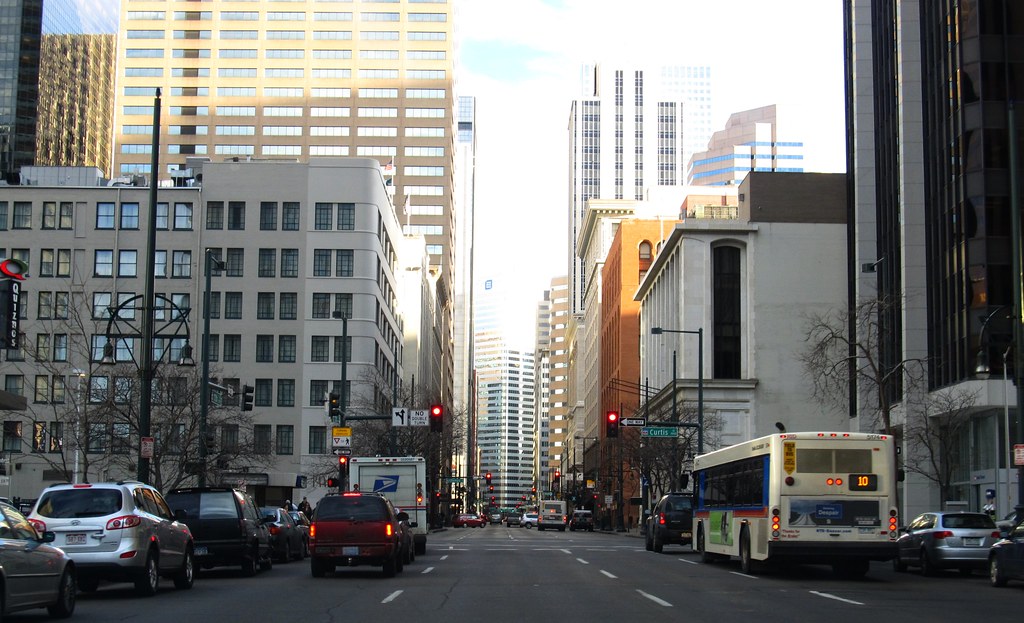
Noise is compounding the problem. A June 2026 noise monitoring study by the Denver Department of Public Health & Environment measured average nighttime decibel levels at 62 dB near the intersection of Colfax Avenue and Broadway, well above the World Health Organization’s recommended 40 dB for healthy sleep. Construction on the I-25 and Broadway interchange project, scheduled to run through October 2026, has added intermittent hammering and heavy machinery noise after 10 p.m., according to city permit records.
Light and noise: the two disruptors you can control
Light exposure before bed is equally damaging. Denver’s switch to high-lumen LED streetlights in 2023-part of the city’s Smart City Initiative-has increased blue-wavelength light in residential areas like Baker and West Wash Park. Blue light suppresses melatonin production for up to 90 minutes after exposure, according to a 2025 Harvard Medical School review. The Denver Public Library’s Central branch on West 14th Avenue now offers free blue-light-blocking glasses at its information desk, part of a sleep-literacy program launched in April 2026.
Practical steps are within reach. The Denver Sleep Medicine Clinic at 8000 E. Belleview Avenue recommends using blackout curtains from local retailers like Sunbelt Drapery in Denver-installed at roughly $15 per window-and placing a small fan near the bed to create white noise. For those near loud intersections, a white noise machine priced at $30 to $60 can mask variable traffic sounds. The city’s Noise Complaint Hotline (311) logged 1,450 reports of late-night construction noise in June alone, up from 890 in June 2025, indicating growing resident frustration.
Looking ahead, the Denver City Council is expected to vote in September 2026 on a proposed nighttime noise ordinance that would limit construction after 9 p.m. in residential zones. Until then, residents can adjust what they can: set the thermostat to 67°F by 9 p.m., swap out bright LED bulbs for amber-tinted ones in nightlights, and keep smartphones on a desk across the room. For personalized advice, contact a board-certified sleep specialist through the Colorado Sleep Society, which maintains a public referral list at its website. Sweet dreams, Denver-but start with the thermostat.
Covering wellness in Denver. This article was generated by AI from the linked sources and was not reviewed by a human editor before publishing. See our editorial standards.