wellness
Digital Detox: Setting Phone-Free Hours That Actually Work
Denver's wellness community is ditching the scroll and reclaiming their evenings, here's how to make a screen-free routine stick.
How we reported this
Put the phone down. That's the core advice coming from mental health practitioners and wellness coaches across Denver, where a growing number of residents are experimenting with structured, phone-free blocks of time as a practical antidote to chronic stress and sleep disruption. The challenge isn't the intention, most people already know they're on their devices too much. The challenge is the architecture: how do you actually build hours that hold?
The timing matters. Conversations about screen overload have intensified through 2026, as studies continue to link heavy evening phone use to elevated cortisol levels and disrupted melatonin production, the same hormone researchers have been paying closer attention to in broader discussions about hormonal health. For Denver, a city that brands itself on outdoor activity and physical fitness, the gap between the lifestyle ideal and the reality of three-hour doom-scroll sessions before bed has become harder to ignore. The Front Range wellness industry is responding with concrete, local programming.
Where Denver Is Making It Happen
The most structured approach in the city right now is coming out of the Capitol Hill neighborhood. Introspect Wellness, a mental health and mindfulness studio on East Colfax Avenue, introduced a Phone-Free Evening Series in April 2026, running sessions every Thursday from 6 p.m. to 9 p.m. The format is simple: attendees lock devices in a small cubby at the door and spend three hours in a mix of breathwork, journaling, and unstructured conversation. Drop-in cost is $25. The studio reports sessions have been consistently full since launch.
On the west side of the city, the Highlands neighborhood's community hub Sonder Mind Space, which operates out of a converted Victorian on West 32nd Avenue, has built phone-free hours directly into its Wednesday evening yoga and sound bath schedule. The no-screen policy runs from 7 p.m. to 10 p.m. and extends to instructors, not just participants. That detail matters: practitioners modeling the behavior shifts the psychology of the room.
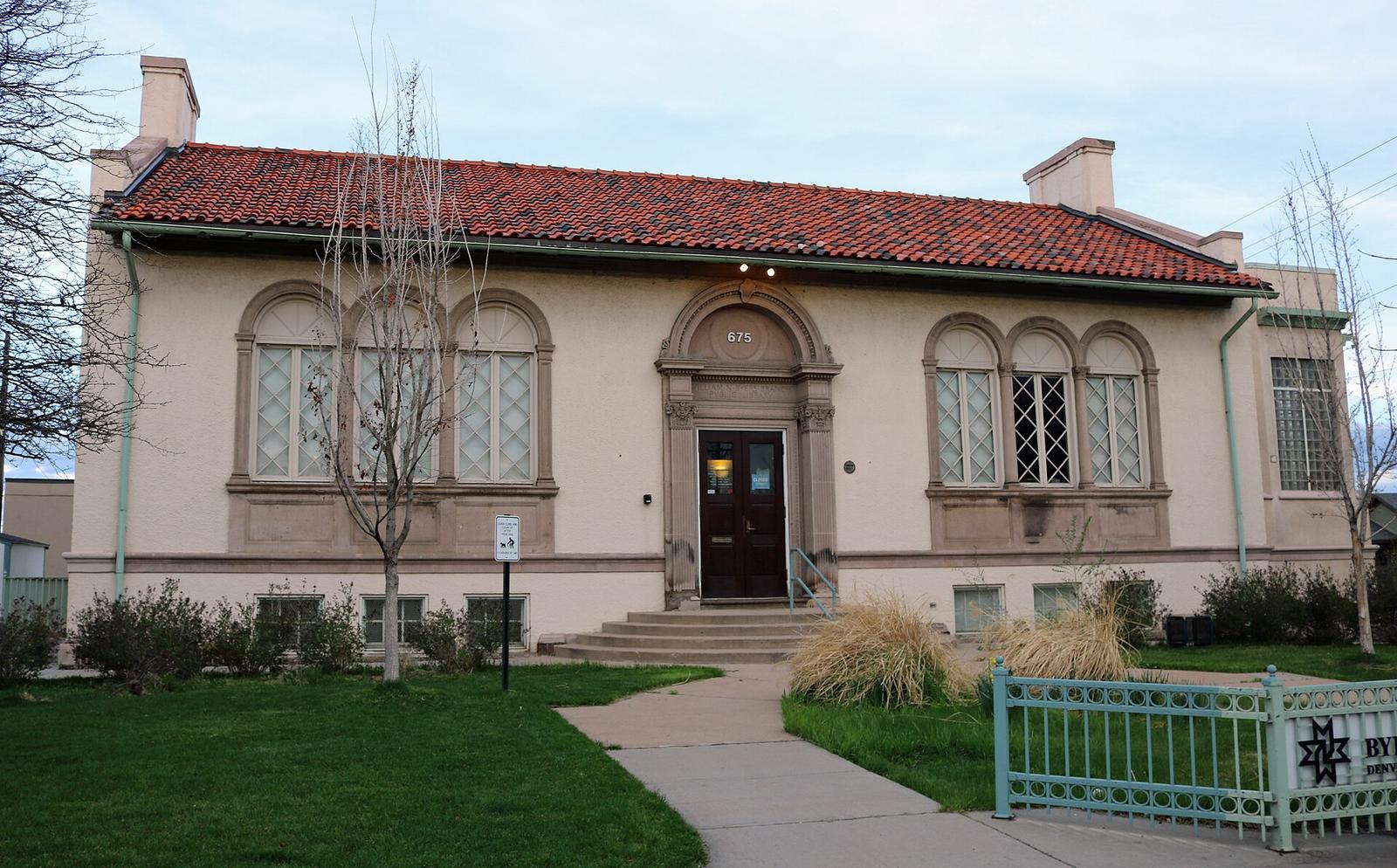
Denver Public Library's Central Branch on West 14th Avenue has taken a different angle, offering a free Analog Afternoons program on Saturdays between noon and 3 p.m., a designated quiet room stocked with board games, printed newspapers, and art supplies, explicitly positioned as a phone-optional space. No login required, no reservation needed.
What the Evidence Actually Says
A 2023 study published in the Journal of Experimental Psychology found that participants who kept their smartphones in a separate room, not just face-down on a desk, scored significantly higher on cognitive capacity tests than those who kept devices nearby, even with the phone silenced. The physical distance was the variable that moved the needle. That finding has since been widely cited in workplace wellness literature and has filtered into how Denver-based coaches are framing the detox conversation: it's not about willpower, it's about friction.
The American Psychological Association's 2024 Stress in America report found that 43 percent of adults said they check their phones constantly, with that figure rising among adults aged 18 to 34. Denver skews younger than the national median, with a median age of around 36 according to U.S. Census data, meaning a significant chunk of the population sits right in the heaviest-use demographic.
Building friction that works looks different for everyone, but practitioners at Introspect Wellness and similar Denver studios point to a few consistent principles. Start with one 90-minute window rather than a full evening. Choose a time that already has a natural anchor, a walk along Cherry Creek Trail, dinner, or a workout at the Denver Barre Company on South Pearl Street. Tell one other person your plan; social accountability raises follow-through rates substantially. And charge the phone in a room other than the bedroom, a change that costs nothing and removes the single most tempting late-night access point.
The phone-free movement in Denver is still small enough that showing up to one of these programs feels slightly countercultural, which, for a lot of participants, turns out to be part of the appeal. If you're looking for professional guidance tailored to your specific stress load or sleep patterns, the Mental Health Center of Denver offers low-cost individual counseling on a sliding scale starting at $20 per session, with locations in Five Points and Sunnyside. That's the right place to start if the anxiety runs deeper than a screen habit.