wellness
Locals Reveal 5 Secret Denver Nature Trails Tourists Never Find
While visitors crowd Red Rocks and the 16th Street Mall, longtime Denverites are keeping a handful of trail gems quietly to themselves.
How we reported this
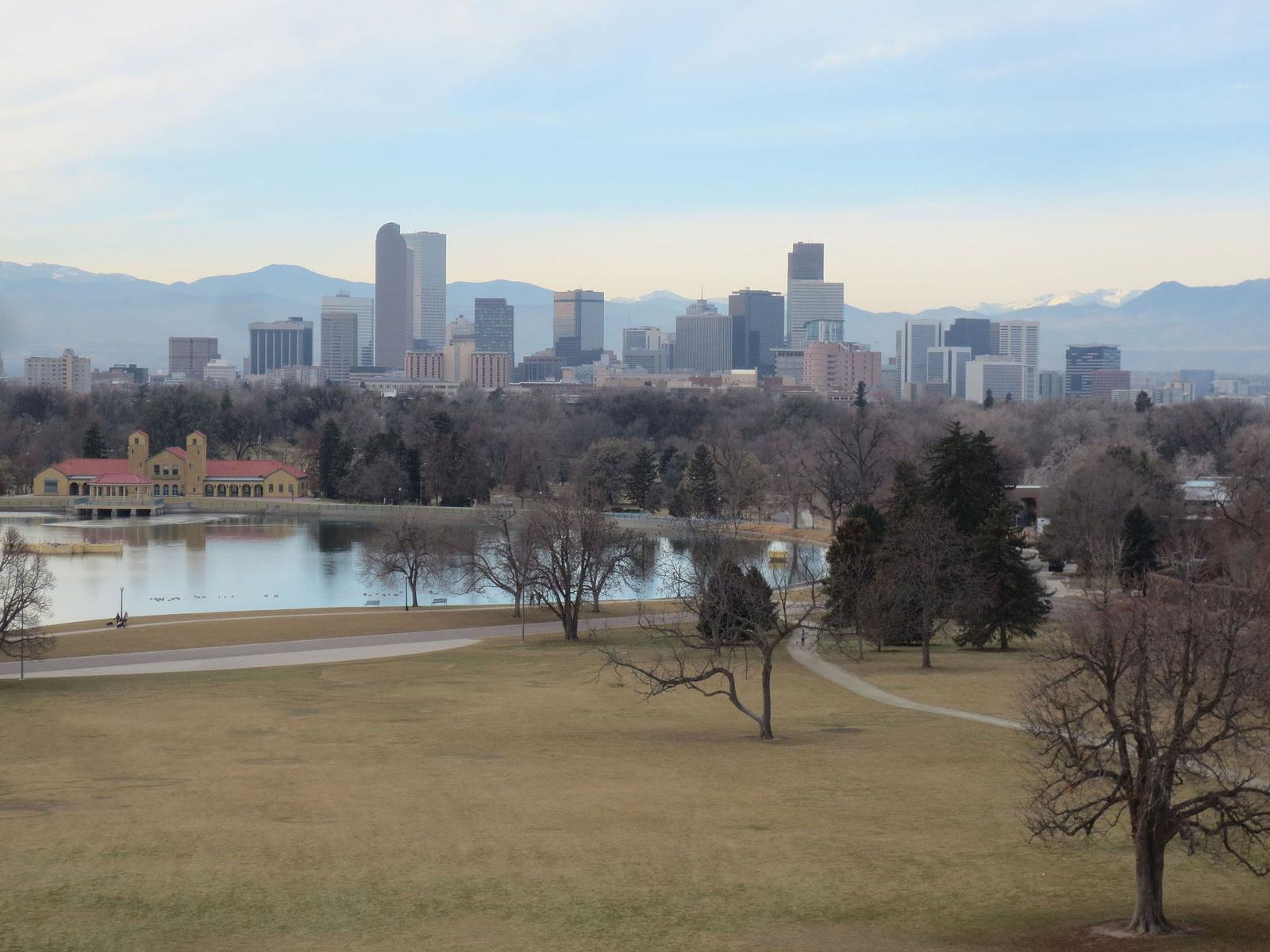
Denver has more than 200 miles of off-street trails threading through its parks system, but a disproportionate share of foot traffic still funnels toward the same handful of marquee destinations. The locals heading out this Fourth of July weekend know better, they're lacing up for routes that don't appear in most travel guides and rarely see a selfie stick.
The timing matters. Summer 2026 has already brought punishing heat across the Front Range, and urban wellness culture is shifting. More Denverites are actively seeking tree cover, elevation gain, and creek access over paved recreation paths. Denver Parks and Recreation lists 29 designated natural areas within city limits, yet city data suggests the majority of trail use is concentrated in fewer than ten of them. That gap is where the locals live.
The Routes Worth Getting Up Early For
Start with Westerly Creek Greenway in the Stapleton, now Central Park, neighborhood. The trail runs roughly four miles from Havana Street east toward the High Line Canal connector, cutting through restored prairie grassland that virtually no one outside the zip code visits. On a weekday morning, you'll share it with red-tailed hawks and the occasional coyote. The Denver Urban Trails map, last updated in spring 2025, marks this corridor as a Tier 2 natural area, meaning it gets maintenance but minimal programming, which translates to genuine quiet.
South of I-25, the Bear Creek Greenbelt between Sheridan Boulevard and Kipling Street is another locals-only staple. The trail drops into a riparian corridor where cottonwoods block the sun and the temperature can feel five degrees cooler than street level. The stretch near Bear Creek Lake Park, a Jefferson County Open Space property, not a Denver Parks site, connects to nearly 2,800 acres of open land. Parking at the Morrison Road entrance costs $10 per vehicle as of the 2026 fee schedule, but cyclists and walkers enter free.
For something that feels genuinely wild inside city limits, Westwood's Sanderson Gulch trail doesn't show up in most Denver tourism materials despite running for 2.6 miles along a restored urban stream corridor. The Denver Department of Public Works completed a drainage and habitat restoration project there in late 2024 as part of a broader $15 million investment in green infrastructure along Harvey Park and Westwood's flood-prone gulches. The result is a trail that feels more like foothills hiking than anything you'd expect minutes from Federal Boulevard.
Why These Spots Stay Off the Radar
Part of it is signage, or the lack of it. Denver's natural areas are deliberately lightly branded. The city's Natural Areas Program, which manages more than 2,400 acres of land across 29 sites, prioritizes ecological function over visitor volume. That's not an accident. Sites like Rosamond Park's Bluff Lake Nature Center in the Montbello neighborhood, run by the nonprofit Bluff Lake Nature Center organization, depend on low disturbance to maintain the bird diversity that makes the site worth visiting. Bluff Lake recorded more than 180 bird species on its trail checklist as of its 2025 annual report, remarkable for a 123-acre site in a working-class neighborhood that most Denver visitors never reach.
The High Line Canal Trail is a partial exception, it's 71 miles long and well-documented, but even there, the stretch running through Greenwood Village and south Aurora past the Highline Canal Trailhead at Peoria Street stays genuinely uncrowded compared to Cherry Creek or Wash Park on any given Saturday morning.
If you're heading out this weekend, bring water regardless of trail length. Denver's elevation sits at 5,280 feet, and dehydration accelerates faster than most out-of-towners expect. Early morning starts, before 8 a.m., are the local standard in July. The Denver Parks and Recreation website at denvergov.org/parks maintains a current trail conditions page updated weekly. For anything involving medical concerns around heat, altitude, or physical exertion, a conversation with a local physician or sports medicine clinic is the right first call before you go.
The trails aren't going anywhere. Neither are the locals guarding them, quietly, on holiday weekends just like this one.