Technology
Denver's AI Scene Thrives on Collaboration, Not Just Code
How the city's unique mix of industry, research and civic pragmatism is creating a global model for artificial intelligence adoption.
How we reported this
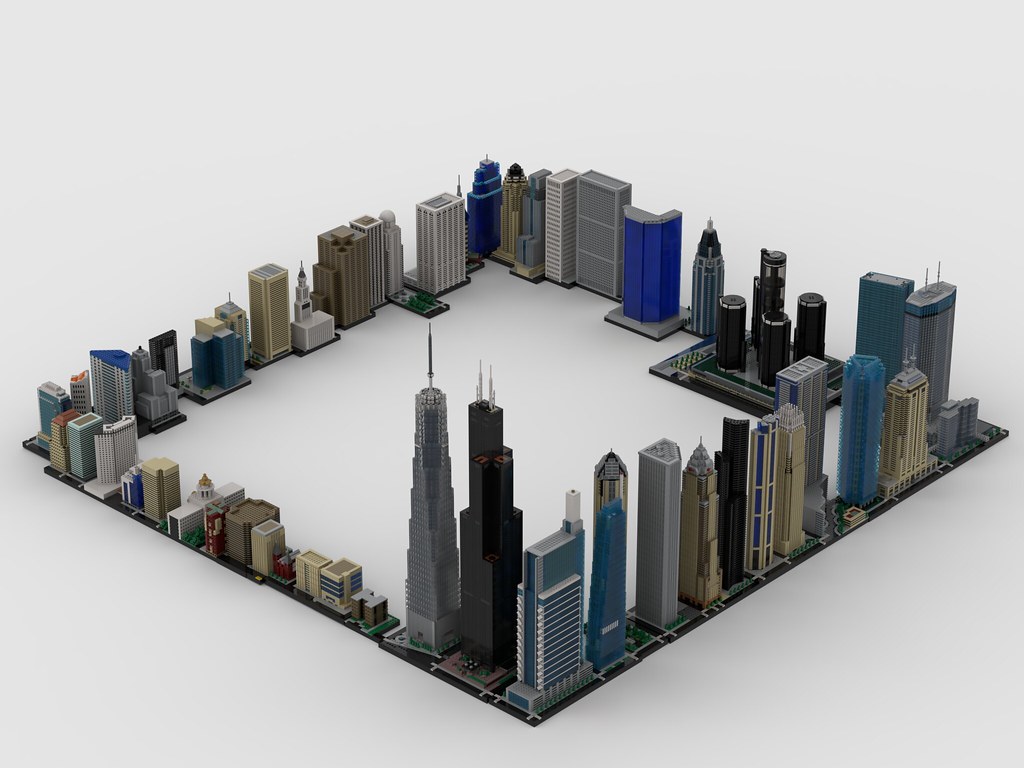
Denver is quietly building a reputation as one of the most practical and collaborative hubs for artificial intelligence in the world. While Silicon Valley chases the next billion-dollar foundation model and Seattle bets on cloud-scale infrastructure, the Mile High City has carved out a niche focused on real-world deployment across energy, health care and logistics. The result is a tech ecosystem that feels less like a startup gold rush and more like a collective engineering problem-solving session.
A 'Last Mile' Advantage
What makes Denver distinctive isn't just the concentration of AI talent-it's how that talent connects to established industries. The city's tech workforce draws heavily from the University of Colorado Boulder and Colorado School of Mines, both of which churn out graduates steeped in applied science. That pipeline feeds directly into companies like Arrow Electronics, Palantir Technologies and Lockheed Martin, which maintain major operations along the Front Range. Unlike pure-play software hubs, Denver's AI adoption rate is unusually high in sectors such as mining automation, energy-grid optimization and aerospace predictive maintenance.
For example, the National Renewable Energy Laboratory (NREL) in nearby Golden has partnered with local startups to deploy machine learning models that improve solar and wind forecasting-work that has direct implications for grid stability across the Western U.S. The collaboration is emblematic of a broader pattern: Denver companies tend to solve specific industrial problems with AI rather than chase generalized consumer products.
Why This Matters Now
The current global moment makes Denver's approach especially relevant. With Iran targeting Gulf States after a night of intense U.S. strikes and the Strait of Hormuz under renewed threat, energy markets are volatile. AI-driven efficiency tools developed in Denver are helping oil and gas producers in Texas and New Mexico optimize drilling operations and reduce downtime. Those same tools are being adapted by renewable energy firms to manage unpredictable supply chains.
Meanwhile, the death of U.S. Senator Lindsey Graham after a brief illness has unsettled Washington's foreign-policy establishment. That instability underscores the value of local economic resilience-something Denver's diversified AI sector provides. When one industry gets disrupted, its algorithms can often be retrained for another.
China's evacuation of nearly two million people as a powerful typhoon made landfall shows the need for better disaster-response technology. Denver-based companies aren't just talking about it: AI models built here are already used by FEMA and state emergency management agencies to predict wildfire spread and allocate resources during floods.
Access to capital has also improved. Denver's venture-capital ecosystem is maturing, but its strength lies in earlier-stage and series-A rounds rather than mega-deals. That encourages a culture of iteration and customer feedback rather than hype-driven spending.
What happens next will depend on talent retention. As the cost of living in Denver rises-especially in neighborhoods like RiNo, LoDo and Capitol Hill-some startups may be tempted to relocate. The ones that stay are betting that the collaborative culture and access to industry partners outweigh cheaper rent elsewhere. For now, the city's formula of deep industry ties, applied research and a pragmatic approach to AI is proving globally distinct.