Politics
Denver Residents Face Rising Household Costs as City Election Spotlights Cost-of-Living Issues
Candidates in Denver's 2026 municipal elections focus on policies affecting housing, utilities, and transportation expenses for local households.
How we reported this
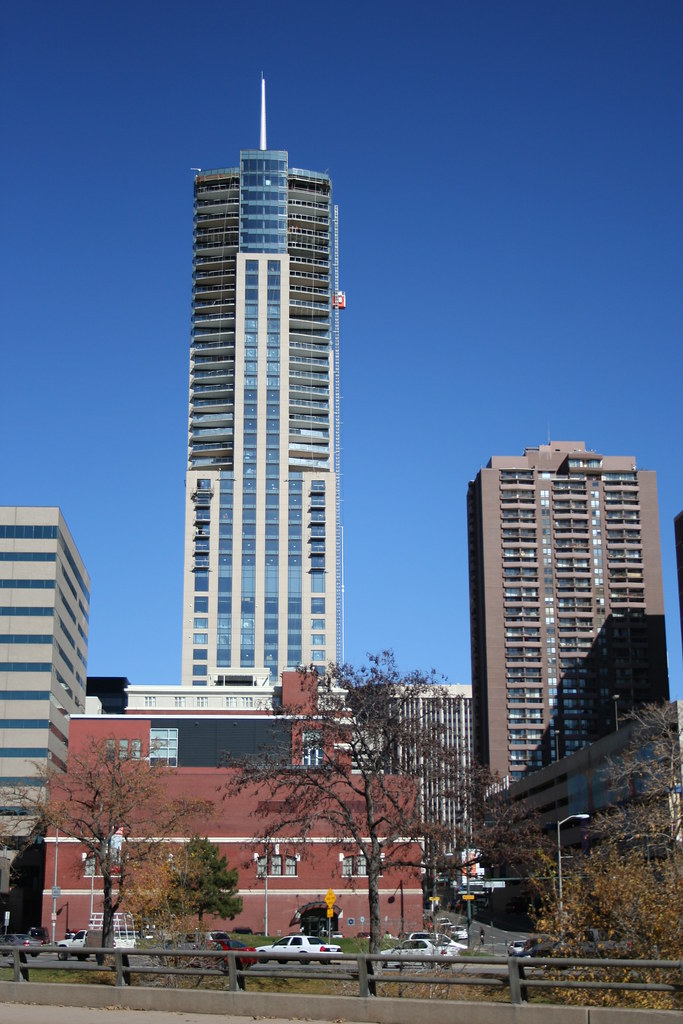
The 2026 Denver municipal election season is framing household budgets and cost-of-living pressures as central themes. Candidates across the city are outlining their approaches to tackle increasing expenses related to housing, energy, and transportation, factors that are shaping voter priorities in this election cycle.
The issue of cost-of-living has intensified for Denver residents over the past year amid rising inflation and economic shifts. According to the U.S. Bureau of Labor Statistics, the Denver metropolitan area saw a 5.3% increase in consumer prices between June 2025 and June 2026, surpassing the national average. With housing costs forming the largest portion of monthly expenditures for most households, alongside utilities and fuel prices, voters are demanding concrete plans to mitigate these financial strains.
Impact on Denver Households
The city’s average monthly rent for a two-bedroom apartment hit $1,850 in the second quarter of 2026, according to data from the Apartment Association of Metro Denver. This represents a 7% rise compared with the same period last year. Meanwhile, Xcel Energy, the primary electricity provider for Denver, implemented a rate increase effective April 2026, projecting an additional average monthly household bill increase of approximately $15, citing infrastructure upgrades and renewable energy investments in their regulatory filings.
Transportation costs are also significant for many Denver residents. The Regional Transportation District (RTD) unveiled plans earlier this year to raise transit fares by 10% in January 2027. The proposed increase aims to address budget shortfalls amplified by post-pandemic ridership recovery challenges. This hike is expected to add up to $8 per month to the cost of a monthly transit pass, directly impacting lower- and middle-income commuters.
Data Highlights and Projections
The City of Denver’s 2026 budget reports an increase in housing support funds by $12 million, targeted at affordable housing projects and rental assistance programs. Additionally, the city council approved a $7 million investment in weatherization and energy efficiency programs aimed at reducing utility bills for low-income households. Analysts say these measures seek to relieve some financial pressure but may not fully offset rising market-driven costs.
The Denver Office of Economic Development estimates that without intervention, the combined impact of utilities, housing, and transit costs could consume up to 48% of median household income by the end of 2027, a significant increase from 43% two years ago. The municipal election campaign has seen candidates proposing varying solutions, including rent control measures, expanded public transit subsidies, and targeted utility bill relief funds.
As Denver residents prepare to vote in November, candidates’ platforms focusing on economic relief will be pivotal. The city's election commission has scheduled multiple community forums over July and August to allow voters to engage with candidates on these pressing financial concerns. Following the election, implementation of new policies will be closely monitored, particularly those addressing escalating expenses that affect daily living standards across Denver neighborhoods.