lifestyle
Denver Chefs Transform Neighborhoods Through Bold Fusion and Traditional Cuisine
From fusion bowls in RiNo to handmade noodles in suburban gems, local chefs are crafting the city’s identity through traditional ingredients and creative techniques.
How we reported this
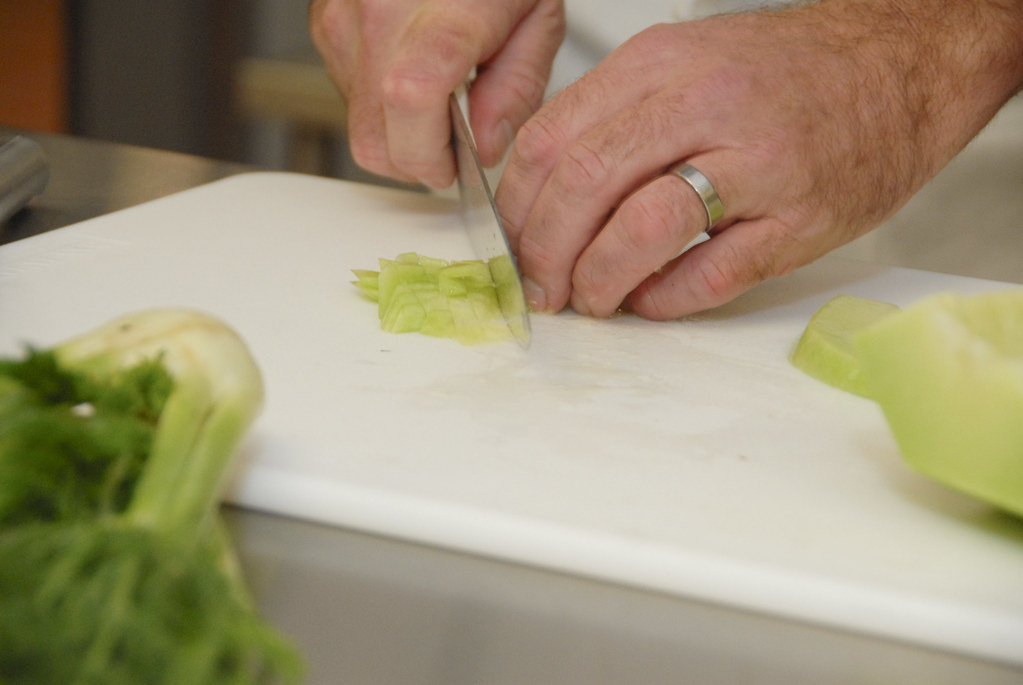
Denver’s food culture is currently defined by the individual chefs and small-scale producers who are turning local ingredients into the staples of the city’s dining landscape. Across both the urban core and the expanding suburbs, the focus remains on hyper-local sourcing and the hands-on craft of noodle-making, reflecting a broader commitment to the region's agricultural output.
The Fusion Innovations of RiNo
In the RiNo neighborhood, the intersection of Japanese tradition and Colorado’s culinary roots is being explored through the Green Chile Chorizo Ramen at Osaka. This dish blends the local heat of Colorado green chile with the profile of chorizo, resulting in a handmade noodle bowl that serves as a signature example of the city’s fusion approach, according to reporting on local food discoveries.
The Butcher’s Approach Near South Federal
Chef Josea Rosenberg’s work at Black Belly Market near South Federal continues to emphasize the importance of regional livestock. The restaurant is organized as a butcher-driven establishment, focusing on a seasonal, hyper-local menu that highlights Colorado meats. This emphasis on sourcing ensures that the kitchen remains connected to the state's agriculture, providing a direct link between the farm and the restaurant plate.
Growing Suburbs and Local Markets
The culinary scene is expanding well beyond the central city, with neighborhoods in the suburbs revealing distinct dining options. In Englewood, Ugly Rice offers a focus on Korean-style fried rice, while in Lone Tree, Yu's Noodle Shop is recognized for its hand-pulled noodles. These establishments, alongside 2025 highlights like breakfast spots Fox & the Hen and The Cookery, contribute to a diverse food network that reaches into the surrounding residential areas.
For those looking to engage directly with the origins of these meals, Denver’s farmers markets serve as the primary point of contact for home cooks and chefs alike. Essential Colorado items regularly stocked at these markets include lamb sourced from Leistikow Farms, organic Palisade peaches provided by Morton's Orchards, and various exotic mushrooms from Hazel Dell Mushrooms. Engaging with these vendors provides insight into the seasonal availability that dictates the menus at local restaurants.