lifestyle
Getting Around Denver: The people stories and faces that make this place special
From the quiet reliability of the light rail operators to the bustling energy of the bus hubs, the transit experience in the Mile High City is defined by the individuals behind the wheel.
How we reported this
Navigating Denver has evolved far beyond simple point-to-point travel, transforming into a rhythm dictated by the thousands of commuters and transit workers who animate the city's arteries daily. While infrastructure maps provide the skeleton of the Regional Transportation District (RTD) network, the heartbeat of local transit remains the human element: the drivers, station agents, and frequent passengers who turn routine commutes into a shared civic experience.
The human currents of Union Station
Stepping onto the platform at Union Station, the scale of Denver’s transit ambitions becomes clear. The iconic Beaux-Arts building serves as more than just a terminal; it functions as a social nexus where the morning rush creates a unique cross-section of city life. Whether it is the rhythmic chime of the A Line train heading toward the airport or the surge of activity at the underground bus concourse, the movement of people is constant.
For those navigating the city, the experience is often mediated by the familiar faces staffing these routes. Riders frequently cite the reliability of the local D Line as a consistent presence in their day, connecting neighborhoods like Five Points with the broader downtown core. The interaction between operators and passengers-a brief exchange of nods or assistance with a mobility device-serves as the primary indicator of how well the city is functioning on any given morning.
Efficiency and the modern commute
Maintaining this flow requires constant coordination across the RTD’s expansive service area. The transit authority manages a massive fleet that touches nearly every corner of the metropolitan area, including critical corridors along Colfax Avenue and the rapidly expanding routes serving the Tech Center. According to recent public disclosures from the Regional Transportation District, service frequency and load capacity are constantly being evaluated against ridership patterns to ensure that the network remains viable for the diverse needs of Denver’s population.
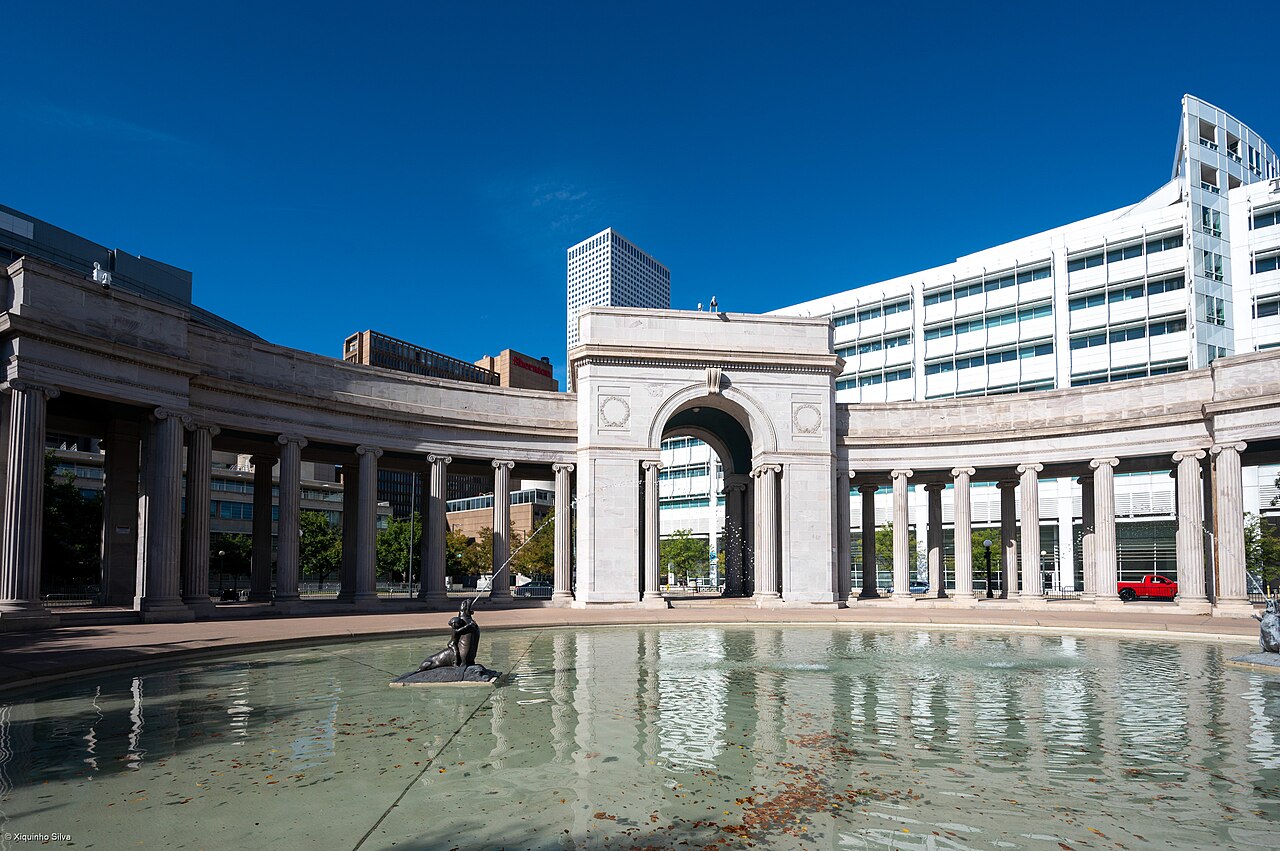
Those planning a journey through Denver are encouraged to consult the official RTD mobile tools or physical transit maps posted at major transfer points like the Civic Center Station. While the technological shift has made ticket purchases and schedule tracking faster, the most effective way to understand the city's movement is to observe the local transit culture firsthand. The best advice for newcomers or those looking to rediscover their city is to utilize off-peak hours on the light rail, which offer both a quieter perspective of the changing urban landscape and a more relaxed opportunity to engage with the transit staff who keep the city in motion.