lifestyle
Denver Parks Evolve: Urban Green Spaces Transform for a Changing City
From the revitalization of City Park to the expansion of the Platte River trail, Denver's public spaces are adapting to meet the needs of a growing population.
How we reported this
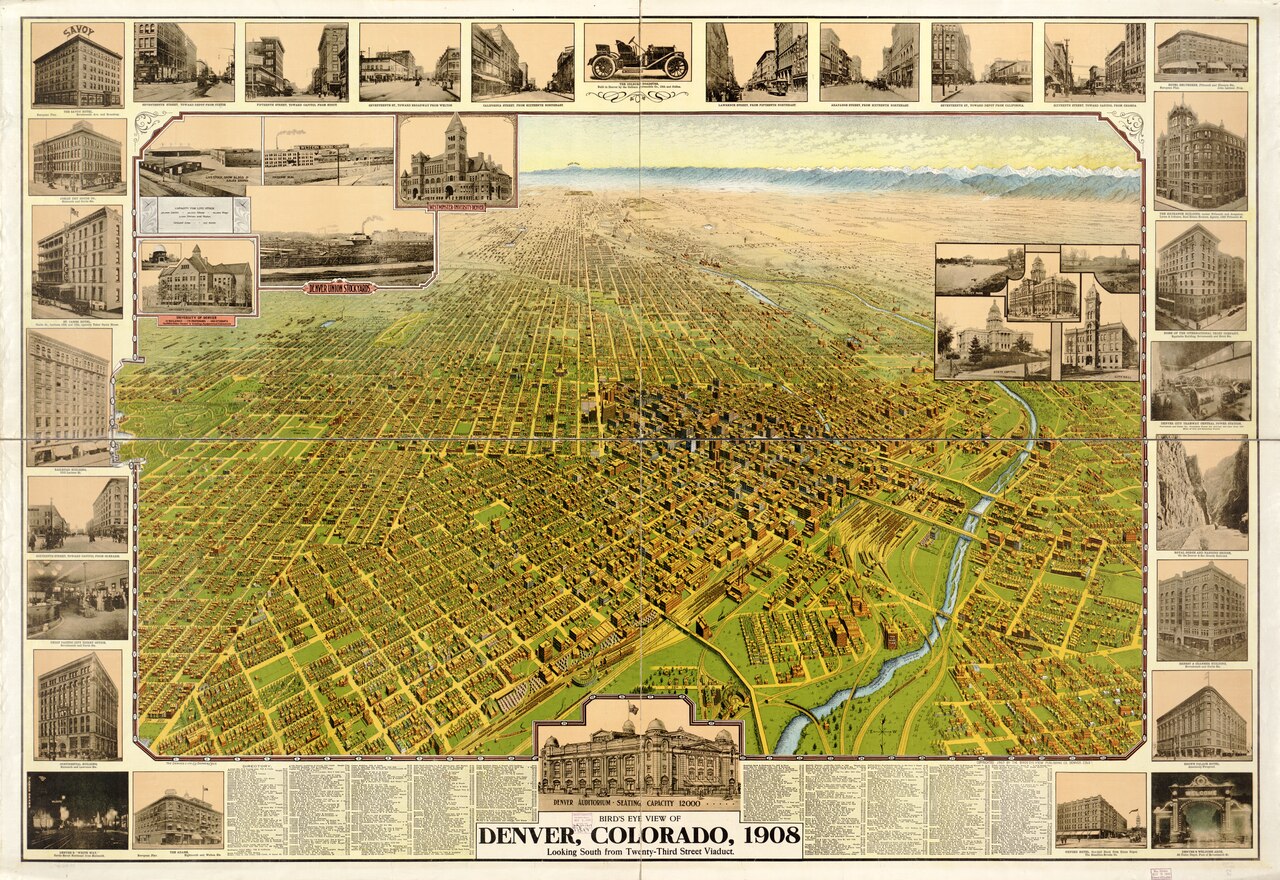
Denver’s public park system is undergoing its most significant operational shift in a decade, moving from simple ornamental green space toward high-intensity, multifunctional urban hubs. As the city’s population density climbs, the Department of Parks and Recreation has prioritized climate-resilient landscaping and expanded communal infrastructure to serve residents in rapidly developing corridors like LoDo and RiNo.
This shift arrives at a pivotal moment for urban planning in the Mile High City. With record-breaking heat waves recorded across the Western United States, the city is focusing on canopy expansion and water-conscious irrigation. Local residents are increasingly treating these spaces not merely as aesthetic backdrops, but as essential environmental buffers and primary outdoor living rooms.
Revitalization in the Urban Core
The transformation is perhaps most visible at City Park. Long considered the city's premier destination, the area has seen a strategic pivot toward hosting a wider variety of year-round cultural programming, including expanded jazz series and outdoor film screenings. Nearby, the South Platte River Trail-a critical artery connecting northern neighborhoods to the downtown district-has benefited from recent maintenance programs aimed at improving accessibility and flood mitigation near the confluence with Cherry Creek.
The Denver Botanic Gardens also remains a critical institutional partner in this evolution. By integrating native, drought-resistant plant species into both the York Street campus and various public park projects across the metro area, the organization is setting the standard for sustainable xeriscaping. The adoption of these practices has become a hallmark of the city's recent efforts to reduce overall water consumption.
Investing in the Future of Denver’s Outdoors
Data from the Trust for Public Land reinforces the significance of these projects. According to their 2026 ParkScore index, Denver maintains a park access rate where 91 percent of residents live within a 10-minute walk of a park or trail. This infrastructure serves as a primary tool for managing the urban heat island effect, particularly in industrial-adjacent neighborhoods undergoing residential conversion.
For those looking to engage with these spaces this season, the Department of Parks and Recreation has updated its digital map interface to reflect current accessibility status and upcoming event schedules. Visitors to Washington Park or Cheesman Park are encouraged to check the city’s official portal for temporary closures related to new irrigation upgrades or habitat restoration efforts before heading out. As the summer schedule intensifies, the combination of accessible public transit links to major parks and the continued development of the 5280 Loop ensures that Denver’s green infrastructure remains a functional priority for the city’s future development.