finance
Denver Developers Face Economic Pressures Across Office, Retail, Industrial Projects
Economic pressures and shifting market conditions are testing developers working on office, retail and industrial projects across the city.
How we reported this
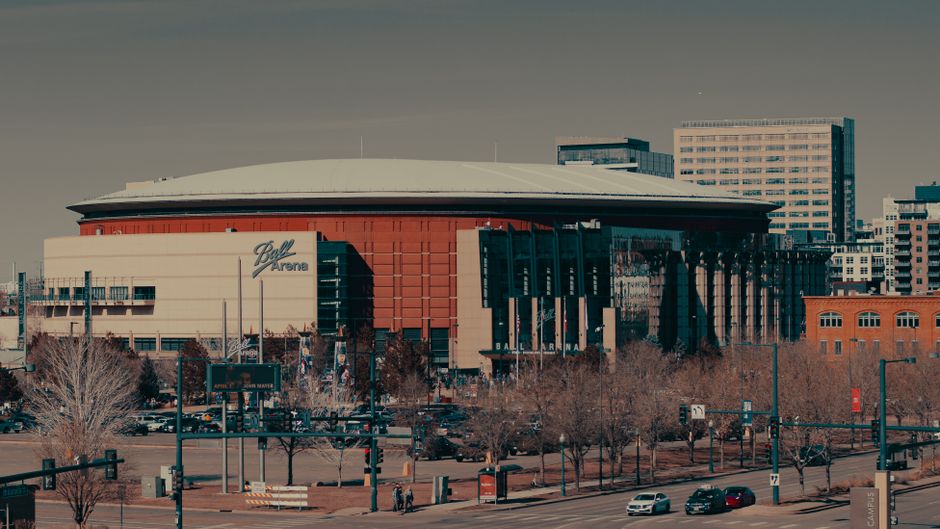
Commercial developers active in Denver report slower project timelines and tighter financing conditions throughout 2026. Several planned builds have been scaled back or delayed as borrowing costs remain elevated and leasing demand softens in certain segments.
The sector matters now because commercial real estate contributes directly to local tax revenue and employment in construction and related trades. When projects stall, the effects reach suppliers, contractors and city planning departments that rely on steady activity to meet growth targets.
Financing and Cost Pressures
Lenders have tightened standards for new commercial loans, requiring stronger pre-leasing commitments before releasing funds. Developers describe extended approval periods that stretch months longer than in prior years. Material prices have not returned to earlier levels, forcing repeated revisions to budgets even after initial bids are accepted.
These conditions hit different project types unevenly. Office conversions and new retail space face the steepest scrutiny, while some industrial sites continue to attract interest from logistics users. The result is a more selective pipeline where only the strongest locations and tenants advance.
Market Demand Shifts
Occupancy rates vary by neighborhood and building type, prompting owners to offer longer rent concessions to secure tenants. Remote work patterns continue to influence office demand, while e-commerce growth supports selective warehouse expansion. Retail projects tied to experiential uses show more resilience than traditional big-box formats.
City permitting staff have noted an increase in requests for phased approvals, allowing developers to complete portions of a site while the remainder awaits clearer market signals. This approach reduces upfront capital exposure but extends overall construction schedules.
Industry participants advise tracking Federal Reserve policy signals and local absorption data closely. Regular review of tenant credit profiles and contingency reserves can help projects stay viable amid ongoing volatility.
This article is general information only and is not personal financial or investment advice. Consider your own circumstances and seek licensed professional advice before making financial decisions.