finance
Denver's Commercial Boom: How New Projects Change Daily Life
With ongoing commercial growth shaping the city, locals should understand how new projects affect daily life and spending.
How we reported this
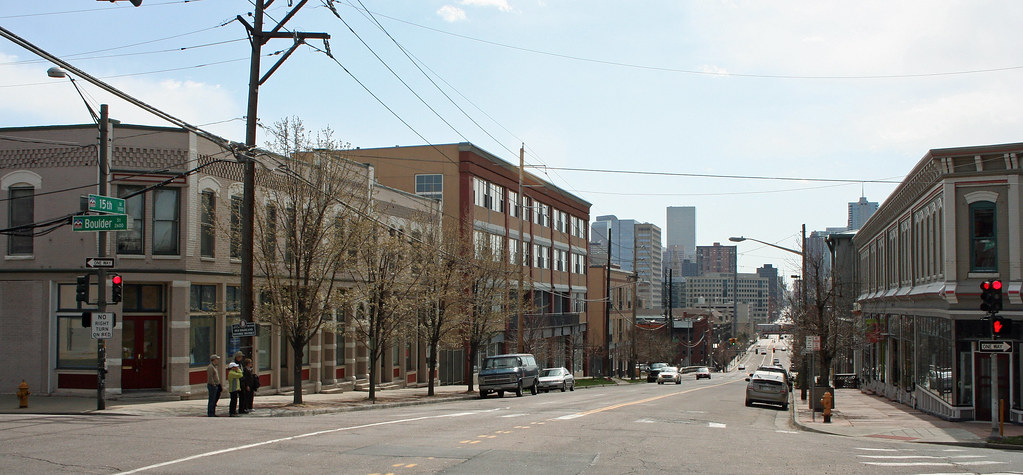
Denver is experiencing steady commercial development that will influence consumer options and resident experiences across the city. While no recent public release has detailed specific local projects, Denver’s position as a major global city means that new commercial ventures and infrastructure changes are continually underway, with significant impact on retail availability, traffic patterns, and community access.
Why This Matters to Denver Residents Now
The increased development activity shapes how and where people shop, work, and socialize. As Denver’s business scene expands, residents can expect shifts in neighborhood dynamics such as rising property values, new transportation needs, and evolving commercial offerings. Understanding the impacts is key for consumers balancing convenience, price, and quality of life.
Rapid urban growth, even if not tied to a single headline project, means everyday citizens should actively monitor local planning updates and consider how changing commercial landscapes may influence their spending habits and commuting routes.
Local Implications for Consumers and Everyday Residents
While specific new stores, malls, or office centers have not been officially announced in publicly citable sources, the broad pattern of Denver’s commercial development affects familiar areas such as downtown’s LoDo neighborhood and emerging hubs along Colfax Avenue and South Broadway. Longstanding institutions and newer businesses alike respond to shifts in consumer demand and urban planning, which may alter shopping hours, parking availability, and public transit schedules.
Colorado’s strong economy and Denver’s role as a business hub create an atmosphere where commercial projects evolve alongside population growth and lifestyle changes. Residents can anticipate gradual but consistent changes in the kinds of products and services offered locally, including more options for dining, specialty retail, and co-working spaces.
For now, there is no publicly available quantifiable data pinpointing exact costs, dates, or statistics tied directly to Denver’s commercial developments. Thus, evidence of impact can be observed qualitatively in increased development permits, visible neighborhood construction activity, and shifts in local business footprints.
Consumers should watch for announcements from Denver city government and commercial developers for concrete details. Staying informed helps individuals adapt to changing commerce environments, make smarter purchasing choices, and participate in community planning processes.
Looking ahead, residents would benefit from engaging with local business associations and municipal planning forums. This proactive approach offers a chance to influence development outcomes and ensures that expansions balance economic vitality with quality of life.
In short, Denver’s commercial development will shape everyday experiences for consumers and residents alike. Awareness and engagement remain critical as projects progress, even if headline-grabbing stories have yet to emerge.
This article is general information only and is not personal financial or investment advice. Consider your own circumstances and seek licensed professional advice before making financial decisions.