finance
Denver Commercial Real Estate Shifts: What Businesses Must Know Today
Amid global uncertainties, Denver’s commercial development market reflects cautious optimism, with demand shifting and investment strategies adapting accordingly.
How we reported this
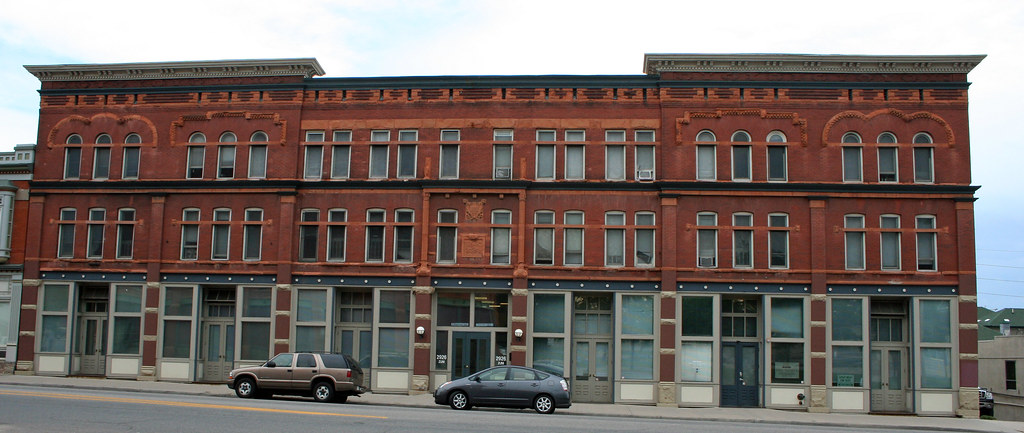
Denver's commercial real estate market is navigating a complex environment shaped by global economic pressures and shifting local demands. While there is no headline-grabbing transaction or sudden policy shift to report, businesses looking to expand or relocate within the city face a nuanced landscape in 2026.
For companies and investors, understanding current trends is crucial. Denver’s status as a city with a vibrant business scene means its commercial market does not operate in isolation. Factors such as international political tensions, including the recent flare-up in the Strait of Hormuz, and global economic uncertainties contribute to a general atmosphere of caution among investors and tenants worldwide, Denver included.
Changing Demand Patterns in Denver’s Commercial Spaces
Locally, commercial landlords and developers report a cautious but steady demand for office and retail spaces. Prime areas in downtown Denver and emerging hubs on the city’s outskirts are seeing interest from technology firms and professional services adjusting their footprints. The post-pandemic hybrid work trend continues to reshape how businesses evaluate space, with a growing preference for flexible leases rather than long-term commitments.
Major commercial corridors such as Larimer Square and Union Station are adapting to these market shifts by offering mixed-use developments that combine office, retail, and residential spaces. These developments aim to attract businesses seeking amenities and vibrant urban settings for their employees.
What Businesses Should Watch Going Forward
Although specific lease rates, vacancy figures, or development permits for Denver were not detailed in recent reports, economic indicators suggest a stable yet transitional period for commercial real estate. Prices are not plunging, but growth is not accelerating rapidly either, a sign that market participants are balancing optimism with prudence.
Businesses assessing their commercial real estate options should consider the rising importance of location versatility, access to transport hubs, and proximity to talent pools. Given Denver’s strong business ecosystem, firms may also benefit from monitoring policy adjustments related to zoning, taxation, and incentives as city planners respond to evolving market needs.
In the absence of new, definitive market data, the practical advice for Denver businesses is to stay informed on global events that may impact investment confidence and to maintain flexible real estate strategies. Engaging local commercial brokers who understand the nuanced local conditions will be essential for navigating leasing or purchasing decisions amid this period of steady transformation.
This article is general information only and is not personal financial or investment advice. Consider your own circumstances and seek licensed professional advice before making financial decisions.